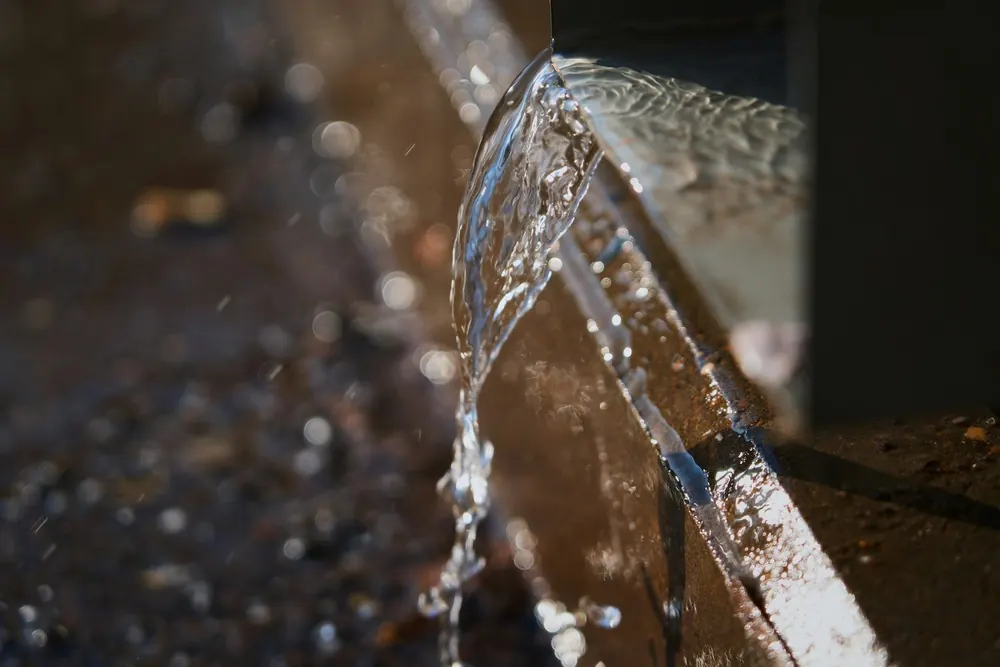
Drainage in Varna: first where the water comes from, then where it goes
Water in the basement, at the bottom of the lift shaft, standing in the garden or soaking the foundations. Before anything is dug or installed, we find out where it comes from: the water main, the drains, the rain or the ground.
Our clients on video · all videos (in Bulgarian)
Drainage in Varna starts with one question: where is the water coming from? Water can come from the supply, the drains, the rain or the ground, and each needs a different fix. Kanal Varna checks the source on site with a thermal camera, moisture meters, an acoustic leak detector and a drain camera, then proposes the solution: a sump with a float pump, a drain around the house, channels and gutters, or simply repairing a pipe. Pumping out water costs from €150; for permanent work we give the price after the inspection, before we start. We work every day from 06:00 to 23:00 in Varna and the villages around it. Call +359 52 993 333 or email info@kanalvarna.com — write to us in English and we reply in English.
Updated November 2026Where the water comes from: four sources
Water that collects in a building or a garden has four possible sources, and the right fix depends entirely on which one it is. A pump or a trench without a diagnosis is often money spent on nothing: if a burst pipe is leaking into the basement, a pump just throws out tap water while the bill keeps climbing; if the drain is blocked, a drain around the house will not help.
- The water supply. Clear water that appears in dry weather too; the level does not follow the rain and the water meter turns with every tap closed. The answer is finding the leak and repairing the pipe.
- The drains. Cloudy water that smells of sewage and rises when water is used in the building, or when the street sewer overflows in a downpour. The answer is unblocking or repairing the pipe after a drain camera survey.
- Rain. It appears during rain or a few hours after, then goes down. It comes from the garden, the terrace, the downpipes or a slope towards the house. The answer is taking the surface water away — start with the gutters and downpipes if one is overflowing.
- Groundwater. No smell; it comes up through the floor or the joint between floor and wall and stays for days or weeks, rising slowly after long spells of rain. The answer is a sump with a pump, or a drain around the house.
The sources often mix. An old block of flats can have a cracked drain and a high water table at the same time, so we do not stop at the first cause we find — we check all four.
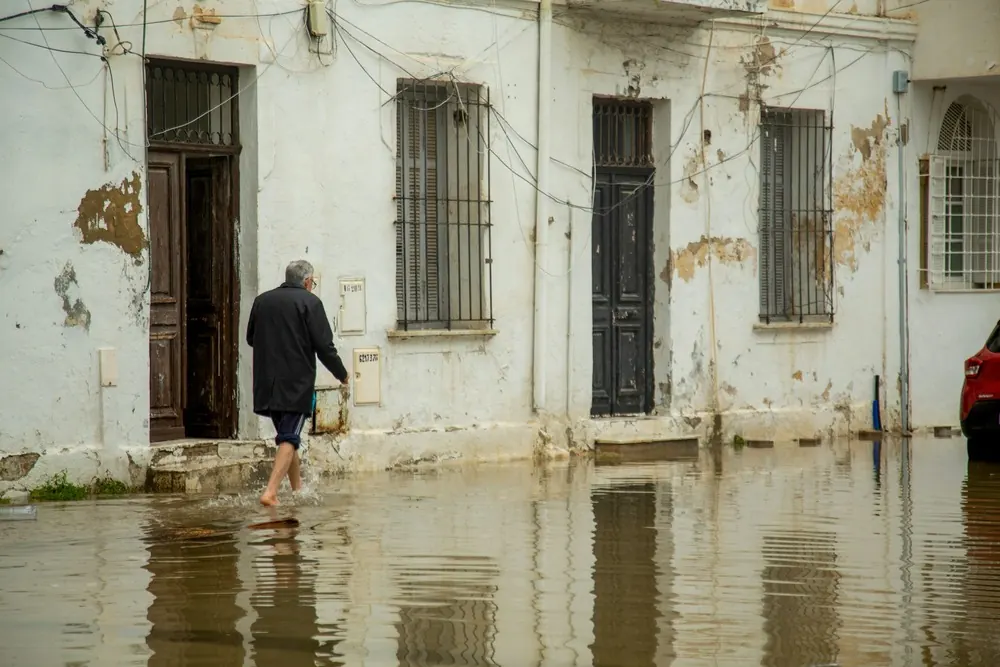
How to tell the source from the signs
| What you see | Likely source | What helps |
|---|---|---|
| Water in dry weather too, water meter turning with taps off | Hidden leak on the supply | Find the leak and repair the pipe |
| Sewage smell, cloudy water, level rises when water is used | Blocked or cracked drain | Drain camera, then unblocking or repair |
| Water comes up from a floor drain or manhole in a downpour | Street sewer overflowing back | A non-return valve on the outlet, camera check of the drain |
| Water only during rain or a few hours after | Rain from the garden, terrace or downpipes | Channels, gullies, downpipes connected to an outlet |
| Through the floor, stays for days, higher in winter and spring | Groundwater | A sump with a float pump and level alarm, or a drain around the house |
| Water in the pit at the bottom of the lift shaft | Groundwater, rain or a leak in the building | Pumping out, finding the source, a float pump |
When in doubt, we pump the water out and watch where the new water comes in. A non-return valve is the fix when the street sewer pushes water back into a basement.
Which drainage solution for which problem
- Water on the basement floor: pumping out, a collecting sump and a float pump that switches on by itself — see flooded basement.
- Water at the bottom of the lift shaft: the lift pit is the lowest point in the building and collects water from every direction — see water in the lift pit.
- Damp and water at the foundations of a house: perforated pipe in gravel and geotextile around the perimeter, inspection chambers and waterproofing of the wall outside — see drainage around the house.
- Puddles in the garden and water running towards the house: falls, channel drains, gullies and downpipes connected to an outlet — see garden drainage.
- A terrace where the water stands: outlets, gullies and a connection to the downpipe — see terrace drainage.
- A land drain that is there but no longer works: before any new digging, the pipe is checked with a camera and flushed — see land drain cleaning.
Two related jobs are not drainage at all. Muddy or smelly water in the garden well is a matter of cleaning the well; and if you want your own water source in the garden, see borehole drilling — the drilling itself is done by partners with a drilling rig, and we arrange the survey. Waste water from a toilet or shower below the level of the street sewer needs a sewage pump, not a clean-water pump.
Drainage stops new water; it does not dry the walls that are already wet. For damp walls see waterproofing and mould and damp.
Pumping out water: the first step, not the solution
We pump out basements, lower ground floors and lift pits with a submersible pump. That removes the effect, not the cause — but once the floor is dry, the cracks, joints and pipes where the new water comes in can finally be seen. If the water is back a week later, a one-off pump-out is not enough, and the permanent answer is a sump with a float pump, a level alarm and a non-return valve, or for a house sometimes a drain outside.
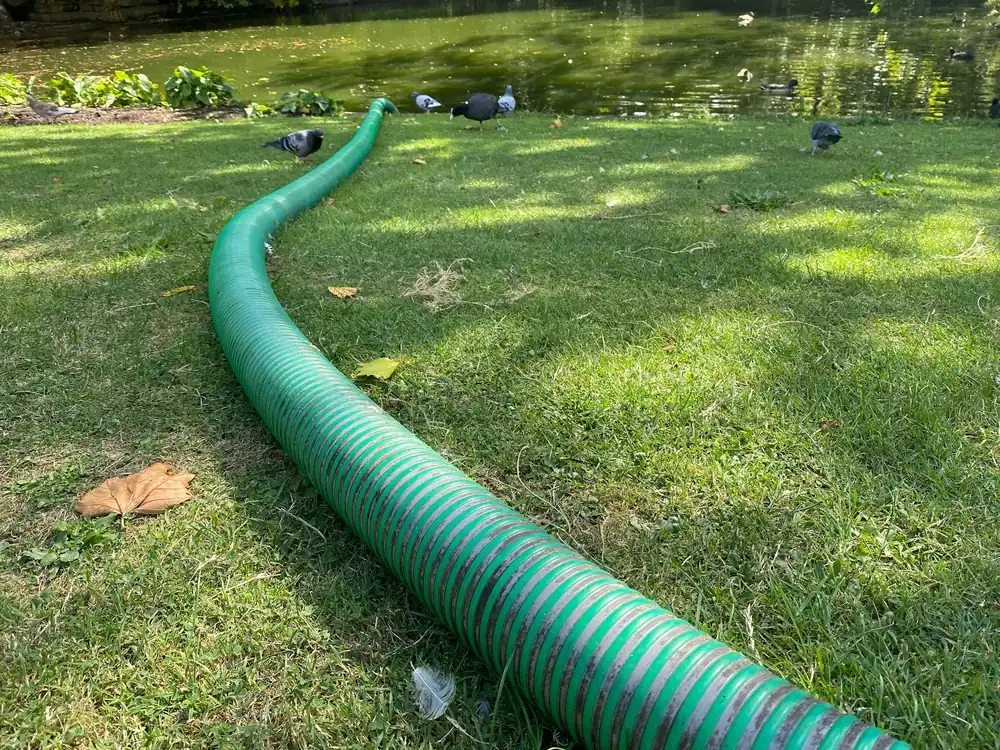
After pumping, mud and silt stay on the floor and have to go before the room can dry; see flood cleanup.
Tell us where the water is, since when and whether it appears after rain — we tell you what we will check on site.
📞 +359 52 993 333How we work on drainage in Varna
- The call. We ask where the water is, since when, whether it appears after rain, whether it smells and whether the water meter turns. Often the direction is clear already.
- Inspection with instruments. Thermal camera and moisture meters on walls and floor, an acoustic detector if a leak is suspected, a camera in the drain, old land drains and rainwater chambers. If needed we pump out first.
- Cause and options. We tell you where the water comes from and what the options are, from the simplest to the complete one. The price of the permanent solution comes after the inspection, before we start.
- The work. A sump with a pump, a drain, channel drains, terrace outlets, downpipe connections — whatever you have approved.
We do not dig or install anything before it is clear where the water comes from, so you do not pay for a solution to the wrong problem.
How much drainage costs in Varna
Pumping out water costs from €150; we tell you the exact amount by phone, depending on the quantity of water and the access. The permanent solution has no single price, because it can be one pipe repair or several days of digging around a house. We give that price after the inspection, before any work, and we tell you the price of the inspection itself when we book it.
- the source — a leak, a drain, rain or groundwater need completely different work;
- access — a narrow basement, a lift pit or an open garden;
- the length and depth of any trench, and the ground: slope, clay, made-up ground, neighbouring buildings;
- paving to be lifted and relaid — tiles, concrete, paving stones;
- whether the wall also needs waterproofing outside, and where the water can be led away.
If the cause turns out to be a leak or a blocked drain, we tell you before you have paid for a drain. All our starting prices are on the prices page.
For building managers and businesses
In a block of flats the decision is rarely one person's. At the inspection we show the building manager or the owners on site what we found: where the water is, what we checked and with what, the likely source and why, and the options, each with a price. Your own photos of the water, the stain and the drains help us before the visit and help the owners' meeting decide afterwards. Whether an insurer pays is decided by the insurer under your policy.
Where in Varna water is most common
In Varna the water follows the ground. In the low parts of the city and near the lake the groundwater is closer to the surface, and the basements of older blocks suffer most. On sloping ground — Asparuhovo, Galata, the villa zones — rain runs down towards houses and retaining walls. In villa areas without a sewer, rainwater has nowhere to connect, so the route for it has to be planned around the ground and the neighbouring plots.
We work in Varna and the villages and villa zones around it, including Avren, Beloslav, Aksakovo, Kichevo, Zvezditsa, Topoli, Euxinograd, Trakata and Izvorsko.
All services: drainage, pumping and wells
Water in the cellar: we pump it out, find where it comes from, pump pit if it is groundwater Water in lift pit
Water at the bottom of the lift shaft: pumped out, source found, agreed with the lift company Drainage around house
French drain round a house: we check the cause first, then dig, seal the wall and lay the pipe Land drain cleaning
Drain in place but the cellar still gets wet? Camera, then silt flushed out with pressurised water Garden drainage
Puddles for days, water under the garage door, mud at the entrance — we find where it comes from Balcony and terrace drainage
Water stands on the terrace, reaches the door or runs down the facade — outlet, gully or downpipe Gutter cleaning
Blocked gutters and downpipes on houses, villas and garages up to about two storeys — from a ladder Well cleaning
Cloudy or smelly well water: pumped out, silt removed, walls scraped, disinfected Borehole drilling
Water borehole for a house or villa: drilled by our partners, you deal only with us
Frequently asked questions
Why does water collect when it has not rained?
Usually a hidden leak on the supply, or groundwater. In a house, close all the taps and look at the water meter (in a block, the main meter at a quiet hour): if it turns, the water is probably from the mains and the leak has to be found. If it does not, and the level hardly changes, it is probably groundwater.
Will a pump solve the problem?
Only when the water is groundwater that keeps coming back — then a float pump in a sump throws it out automatically. If the water comes from a burst pipe or the drain, a pump hides the problem instead of solving it, which is why we check the source first.
Can you just pump the water out once?
Yes. We pump out basements, lower ground floors and lift pits from €150, depending on the quantity of water and the access. Once the water is gone, the places where new water comes in can be seen; if it returns, we discuss a permanent solution.
What is the difference between drainage and waterproofing?
Drainage — drains, channels, a pump — catches the water and leads it away before it reaches the wall. Waterproofing stops the water that has already reached it. Houses with groundwater often need both, but not always: if the water is rain, redirecting the downpipes and correcting the fall can be enough.
I live abroad. Can you deal with water in my basement?
Yes. Send us photos and the address by email, tell us who can open the door, and write to us in English and we reply in English. We tell you what we found and the options, with prices, before anything is done.
Water collecting and not sure where from?
Tell us where the water is, since when and whether it appears after rain — we tell you what we will check on site.
📞 +359 52 993 333or email info@kanalvarna.com — write in English and we reply in English.
Send us a message
Leave your name and a phone number with the country code. Add your email if you prefer a written reply — write in English and we reply in English. We confirm the price before any work starts.