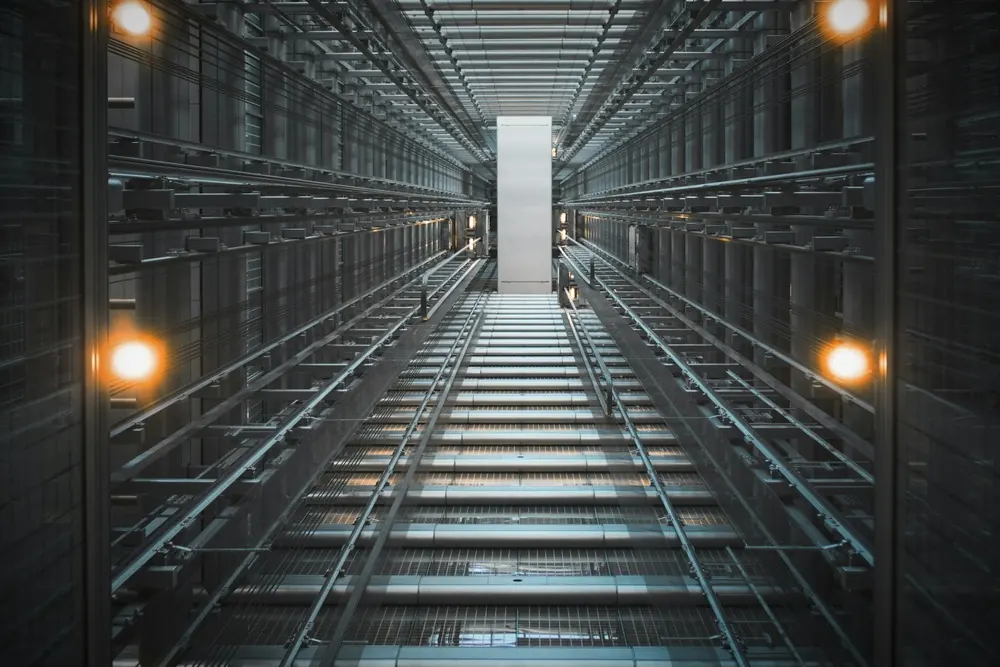
Water in a lift pit in Varna: pump it out, then find where it comes from
Water at the bottom of the lift shaft in your block or building? We pump the pit out, find out where the water enters and propose a lasting fix, agreed with the company that maintains the lift. We do not touch the lift itself. Every day 06:00–23:00.
Our clients on video · all videos (in Bulgarian)
Water in a lift pit in a Varna block starts with pumping out the pit, but it does not end there. We check whether the water comes from the water main, the drain, rain or the ground, using a chlorine test, the water meter, a thermal camera, a moisture meter and a drain camera. Then we stop the source or, for groundwater, fit a small collecting sump with a float pump and alarm, always agreed with the lift maintenance company. Pumping out water is from €150; the rest is priced after we have seen it. This is one of the jobs on our drainage page. Call +359 52 993 333 or email info@kanalvarna.com — write to us in English and we reply in English.
Updated November 2026What the lift pit is and why water there is a problem
The pit is the bottom of the lift shaft, below the lowest stop. It holds the buffers that catch the car and counterweight, the lower limit switch, the speed-governor rope tensioner, usually a stop button, lighting and cables. By design it should be dry.
- Corrosion. Buffers, switch brackets and the lower ends of the guide rails rust even when the water is only a few centimetres deep.
- Electrical faults. Damp in switches and cables causes faults and stoppages that are hard to trace.
- Safety. The technician goes down into the pit during servicing. Water around electrical parts and a slippery floor are a risk for them.
- A stopped lift. The maintenance company may take the lift out of service until the shaft is dry and checked — a real problem for people on the upper floors and for the elderly.
- Concrete and smell. Permanent water damages the floor and walls and brings a stale smell up the stairwell.
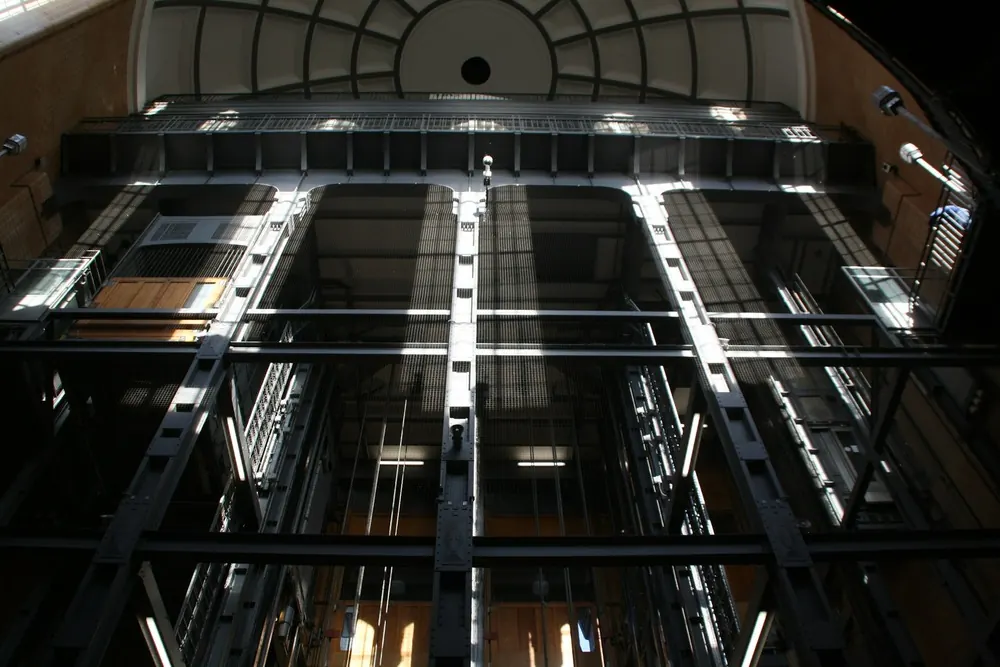
Where the water in a lift pit comes from
It almost always comes from groundwater, from a leak in a water pipe or drain, or from rain and washing water running in from above. Condensation rarely makes a puddle. The pit is the lowest point in the building and collects water from further away too.
| What you see | Likely source | What we do |
|---|---|---|
| Level almost constant, rises in winter and after long rain | Groundwater | Collecting sump with float pump and alarm; sealing the pit |
| Water appears during or just after heavy rain | Rain through the entrance, a ramp or openings in the shaft | Taking the water away before it reaches the entrance; sealing the openings |
| Clear water, no smell, also in dry weather | Leak from a water pipe | Finding and repairing the leak; no pump needed |
| Cloudy water that smells of drains | Cracked or blocked drain branch | Camera in the drain, repair of that section |
| Water after the entrance floor has been washed | Mopping in front of the lift doors at ground level | Cleaning without lots of water by the lift |
| Drops and damp patches on metal, no puddle, in summer | Condensation | Better ventilation of the cellar; no pump needed |
Groundwater is not only a problem in low-lying parts of the city: on a slope the water moves downhill and can gather around a deep pit, so we do not guess from the address. We check the chlorine, the smell, whether it depends on rain and how fast the level comes back. If the water comes back up the drain, see when a non-return valve helps.
How we find where the water enters
First the pit is pumped out so the floor can be seen; then we check the water, the pipes and the walls around the shaft. The point is not to fit a pump where a pipe needs repairing.
- Pumping and cleaning. With a submersible pump, once the lift company has stopped the lift and made access safe. We remove the sediment too, so the joints can be seen.
- Chlorine test. Shows whether the water is from the mains. Chlorine points to a pipe, but it can vanish from water that has seeped through concrete, so the test is never the only check. The sample is taken from fresh incoming water.
- Water meter. At a quiet time of day we close the taps we can and watch whether the building's meter keeps turning. A leak before the meter does not show this way, which is why we measure with instruments as well.
- Thermal camera and moisture meter. The camera shows pipe runs and wet zones around the shaft; the meter shows which way the damp grows — towards a pipe, a drain or evenly from below.
- Drain camera and level watching. If a drain branch passes the shaft, a camera checks it for cracks, displaced joints and roots. For suspected groundwater we mark the level and see how fast it returns: hours, days, or only after rain.
Call us as the building manager, the managing agent or the lift company. Tell us since when there is water, how much, and whether it smells, and we arrange a visit at a time that also suits the lift technician.
Tell us since when there is water, how much and whether it smells — we agree a visit that suits the lift technician too, and tell you the price before we start.
📞 +359 52 993 333Solutions: float pump, sealing, stopping the leak
The solution follows the source. With a leak we stop the leak and no pump is needed. With groundwater we fit a collecting sump with a float pump and alarm, often together with sealing the pit. With rain we take the water away before it reaches the shaft.
- Pumping out. One-off, for a flooded pit or before a repair. It helps at once, but if the source stays, the water returns.
- A small sump with a float pump. In the floor of the pit or beside the shaft, lower than its bottom. A submersible pump starts by itself as the level rises, a non-return valve keeps the pumped water from returning, and a level alarm warns if the pump cannot cope. If the pit floor or wall has to be drilled, the solution is also agreed with a structural engineer. The place, outlet and power supply are agreed with the lift company so the pump does not get in the way of the buffers or of the technician.
- Sealing the pit. Joints between floor and walls, cracks and pipe entries are sealed; under strong groundwater pressure the pit is waterproofed from inside. Often the best result is a combination: the sealing reduces the inflow and the pump takes the rest.
- Stopping the leak. Repairing the pipe or the drain that fills the pit, and taking rainwater away from the entrance and ramp.
We do not touch the lift. The electrics, mechanics, buffers and switches are the work of the maintenance company. We work on the water: where it comes from, how it is stopped and where it is taken.
Working with the lift maintenance company
In the shaft we work only in agreement with the company that maintains the lift. They stop the lift, make access safe and judge whether and where a pump may stand in the pit. After drying they check the mechanics and electrics and decide when the lift runs again. We find the source, pump and clean the pit, repair the leak or fit the sump with pump and alarm.
Usually we agree one common time: the technician secures the shaft while we pump, clean the floor and look for the source, so the lift is out of service as briefly as possible. If you are a lift maintenance firm and find water in a pit during servicing, you can point your clients to us.
What to do while you wait: tell the maintenance company, because it decides whether the lift stops; do not go down into the pit or pump it yourselves, because there are electrical parts; photograph the water level and note whether it has rained and whether it smells; look in the cellar for wet patches around pipes. We explain what we found to the building manager on site, and for the owners' association the photos you took help the decision. For the whole entrance, see our page for building managers.
What it costs and what the price depends on
Pumping out the pit starts from €150; we give the exact sum by phone or email, depending on how much water there is and on access. For the rest — a sump with a pump, repairing a leak, sealing — we tell you the price after we have seen it and before we start. A leak repair and a sump with pump, alarm and outlet are very different amounts of work.
- how much water and sediment is in the pit;
- whether the source is a leak, a drain, rain or groundwater;
- whether a sump is needed and how hard it is to reach the spot;
- how long the outlet is to a place where the water may be discharged;
- whether sealing or waterproofing of the pit is needed.
If you own a flat in the block but live abroad, the building manager or the lift company is the usual contact on site; send us their name and number and the address, and we agree the visit with them and the price with you. If the water is in the whole cellar, see flooded basement; if the walls are damp but there is no puddle, basement waterproofing; if water drips from a flat above, leak detection. If the lift stops but the pit is dry, that is for the maintenance company.
Frequently asked questions
Can the lift keep running while there is water in the pit?
That is for the maintenance company to decide, not for us. With water in the pit it may stop the lift until the shaft is dry and checked, so tell it at once. We arrange the visit so that the lift is stopped and a technician is available if needed.
Why does the water come back after pumping?
Because pumping removes the water but not the cause. Groundwater enters again through the joints; a leaking pipe goes on leaking until it is repaired. That is why we look for the source after pumping and propose a fix for the source itself.
Can the pump stand directly in the pit?
Sometimes, but the decision is not ours alone. The maintenance company judges whether a pump in the pit is allowed and where it may stand, so that it does not interfere with the buffers and the technician. If not, the sump is made next to the shaft, lower than the pit floor.
What happens if the pump cannot cope?
That is what the level alarm is for. If the water rises above a set level — a failure, a stuck float or a very strong inflow — the alarm sounds, so someone in the building can react before the water reaches the electrical parts. The non-return valve stops the pumped water from flowing back.
Do you enter the shaft without a technician from the lift company?
No. We go in only when the maintenance company has stopped the lift and made access safe. We normally agree one common time: the technician secures the shaft and we pump, clean the floor and check where the water comes from.
I own a flat there but live abroad. Who arranges this?
Usually the building manager, who orders the work for the building. You can write to us in English and we reply in English, and we explain the options to the manager so the owners' association can decide. Payment is after the work, by cash, card or bank transfer.
Water in the lift pit?
Tell us since when there is water, how much and whether it smells — we agree a visit that suits the lift technician too, and tell you the price before we start.
📞 +359 52 993 333or email info@kanalvarna.com — write in English and we reply in English.
Send us a message
Leave your name and a phone number with the country code. Add your email if you prefer a written reply — write in English and we reply in English. We confirm the price before any work starts.