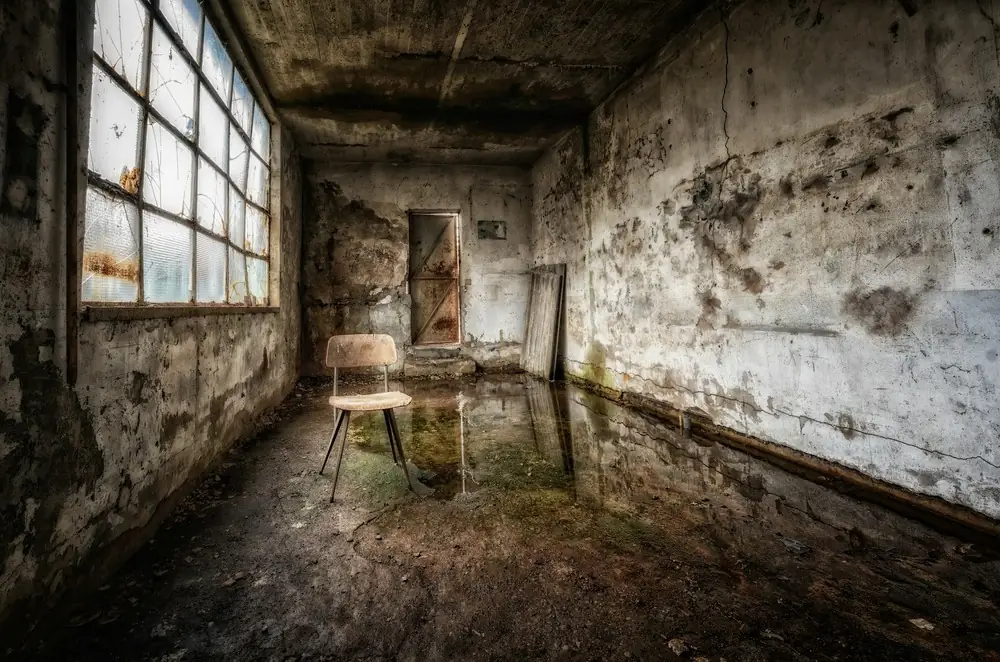
Flooded basement in Varna: pumping out the water and finding the cause
Water on the cellar floor and no idea where it is coming from? We pump it out so the floor can be seen, then find out whether it is a pipe, a drain, rain or the ground. A pump pit is only the answer to one of those four. Every day 06:00–23:00.
Our clients on video · all videos (in Bulgarian)
If you have a flooded basement in Varna, switch off the power to it only if you can reach the fuse board without stepping into water, and take photos of the damage. We then pump the water out with a submersible pump and look for the source: a water pipe (often chlorine in the water), a drain (it smells), rain (it arrives after a downpour) or groundwater (slow rise, stays for weeks). Pumping out water starts from €150; a permanent solution is priced after we have seen the basement. Other water problems around a building are on our drainage page. Call +359 52 993 333 or email info@kanalvarna.com — write to us in English and we reply in English.
Updated November 2026Flooded basement: what to do in the first hour
In the first hour three things matter: safety, stopping the water if it comes from a pipe, and photos before anything is cleaned up. Pumping can wait half an hour; an electric shock cannot be undone.
- Power. If the fuse board is dry and you can reach it without wading, switch off the circuit for the cellar. If the board is in the cellar itself and the water is near it, do not go in — call an electrician or the electricity company's fault line.
- Water. If a pipe has burst, close the main stopcock. For a burst pipe see our emergency plumber page.
- Photos. The water level with an object next to it for scale, the wet belongings and the spot where the water comes in — all before you tidy anything. Your insurer will want them.
- Smell. If it smells of drains, the water contains sewage: do not wade without boots and gloves.
- Call or write. Tell us how deep the water is, since when, whether it smells and whether it is still rising.
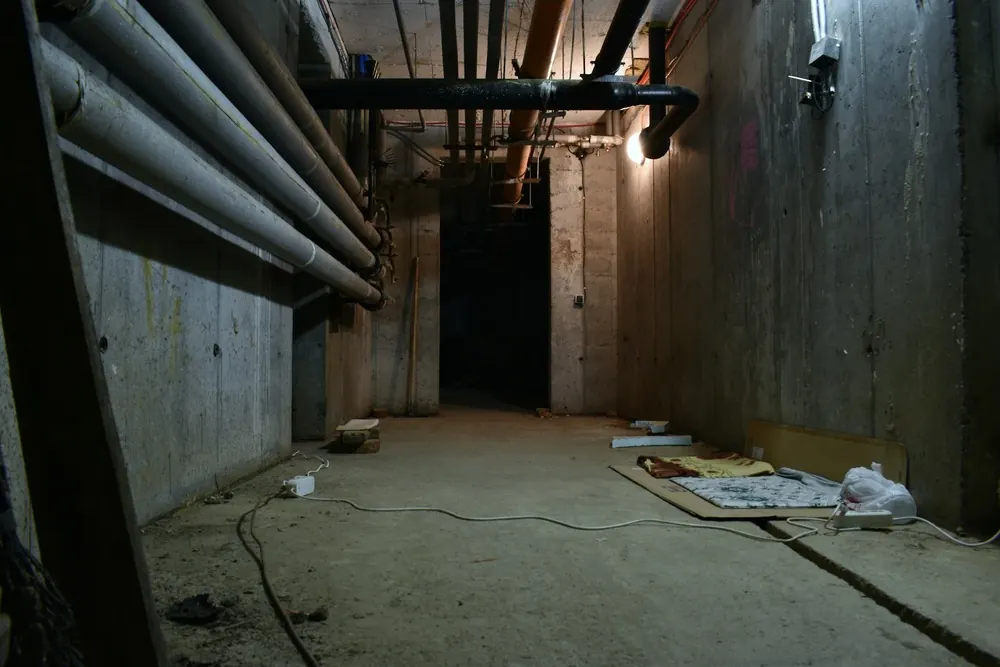
Where the water comes from: four possible sources
Water in a cellar comes from the water main, the drains, rain from outside or groundwater. A float pump helps for good only with the last one, so we check the source first — otherwise you pay for a pit that pumps out water from a burst pipe.
| What you notice | Likely source | What solves it |
|---|---|---|
| Chlorine in the water, level rises even without rain | Leak from a water pipe | Finding the leak and repairing it — see leak detection |
| Smells of drains, water comes from a trap or inspection cover | Blocked drain, or the street drain backing up in heavy rain | Unblocking, a camera in the pipe, a non-return valve — see blocked drains |
| Water a few hours after rain, at the door, window or the wall facing the yard | Rain from outside: downpipes, ground sloping towards the building, light wells | Taking rainwater away from the building — see garden drainage |
| Clear water without a smell, coming up through the floor, staying for weeks | Groundwater | A pump pit with float pump; for a house, also a drain outside |
| Damp patches and mould on the walls, no water on the floor | Rising damp or condensation | Waterproofing for rising damp, ventilation for condensation — not a pump |
You can run three checks yourself. A swimming-pool test strip shows chlorine: chlorine almost certainly means a water pipe, but its absence does not rule a leak out, because chlorine fades in standing water. Close every tap and watch the water meter for 15–30 minutes; if it moves, there is a leak after the meter. And note the smell and the timing.
Pumping water out of the basement: how it works
We lower a submersible pump into the lowest point of the cellar and run a hose outside. The aim is also to see the floor, because only then can you tell where the water enters. So the pumping and the check on the cause start at the first visit.
- Where the water goes. To a surface-water drain (with the water company's permission) or to a soakaway on the property, away from the building and from the neighbours as far as possible. Never next to the foundations — it would run back into the cellar.
- In stages, when needed. If the cellar is deeply flooded and the ground outside is soaked, the water is not emptied in one go: the pressure of the groundwater on the walls stays. We pump in stages and watch whether the level comes back.
- The silt stays behind. The last millimetres, the sand and the mud do not go through the pump and are cleaned by hand.
- Sewage. The drain is cleared first, otherwise the cellar fills again.
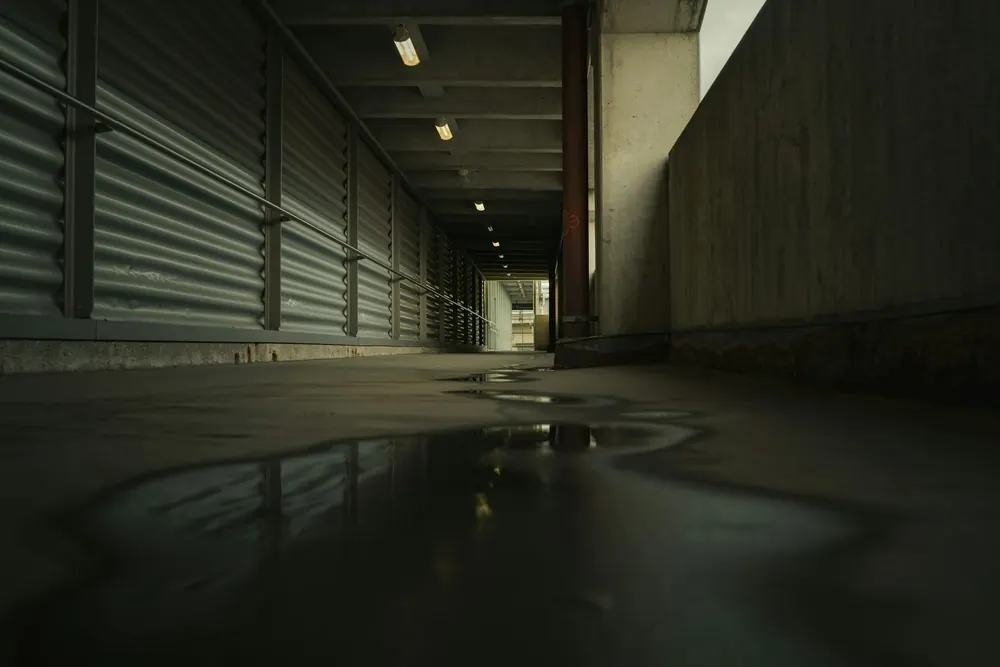
After pumping we photograph the points where water enters. If it comes from a pipe or a drain we tell you straight away, and then you do not need a pit. Clearing mud and washing the room after a flood is a separate job — see flood clean-up.
Tell us how deep it is, since when and whether it smells — we pump it out, find where it comes from, and tell you the price before we start.
📞 +359 52 993 333Pump pit with a float pump: when groundwater is the cause
A pump pit is a collecting sump at the lowest point of the cellar, from which the water is pumped out automatically. A sump pump — a submersible pump with a float — sits in it: it starts by itself when the water rises and stops when the pit is empty.
- The pit. A plastic or concrete container set into the lowest point of the floor and wrapped in geotextile and gravel, so that it does not draw soil out from under the foundations. The floor must slope towards it.
- The float pump. The float rises with the water and starts the pump, then switches it off when the level drops.
- The level alarm. A separate sensor above the switch-on level. If the pump does not start — a stuck float, a failed pump, a power cut — the alarm sounds before the water leaves the pit.
- The non-return valve. On the pipe after the pump. When the pump stops, the water in the pipe does not run back into the pit to be pumped again.
- The outlet and a reserve. The pipe leads to a surface-water drain or soakaway, laid with a fall so that it does not freeze. If the water comes every winter, one pump is the only barrier, so we discuss a second pump or a battery supply.
A drainage pump is not a sewage pump. A pump for groundwater is not made for waste water. If sewage collects in the cellar, the answer is in the drain, not in a pit; a toilet or bathroom below street level needs a separate sewage pump.
Groundwater is clear, without smell or chlorine, comes up through the floor or the joint by the wall, and stays for weeks after long rain. In Varna it is most common in low-lying areas and by the lake, on slopes such as Asparuhovo and Galata, and in old blocks with deep cellars. Damp walls are a job for basement waterproofing; for a house the water can sometimes be caught outside — see drainage around a house.
Flooded cellar in a block of flats: who decides
In a block of flats the corridors and technical rooms in the cellar are normally shared parts. A pump pit there is usually decided by the building's owners' association and ordered by the building manager. Photos of the water and of where it enters help the owners decide faster. Before the meeting, agree:
- where the pit will be and whether it can be reached freely;
- which electricity meter will power the pump and who pays for the current;
- who hears the alarm and who is called when it sounds.
Even if water shows in one storeroom only, the cause is often common to the whole entrance. For voting rules and sharing costs, follow your own association's rules.
When a pump is not the answer
A float pump is right when the water is groundwater and keeps coming back. Otherwise it pumps out the result while the cause stays. We tell you plainly when you do not need a pit:
- The leak is from a pipe. Chlorine in the water and a moving meter point to a leak that must be found and repaired.
- The water smells of drains. A blockage, a cracked pipe or the street drain backing up — a camera in the pipe and a repair help; a non-return valve may be needed.
- The water comes from the yard. A downpipe by the wall or ground sloping to the building is solved outside.
- Only the walls are wet. Patches and mould without water on the floor are a damp problem, not a pumping one.
A one-off flood from a burst pipe is dealt with by pumping, repairing the pipe and letting the room dry; a pit would be an unnecessary expense. We fit a pit only when groundwater returns every year.
Price, and what to do if you are not in Bulgaria
Pumping out water starts from €150, and we tell you the exact amount by phone or email, depending on how much water there is and how easy it is to reach. The price of permanent drainage — a pump pit, a drain or a repair of the cause — is given after we have seen the basement and before we start. It depends on where the water comes from, how fast it rises, where the pit can go, how long the outlet is and whether concrete has to be cut.
Many owners live abroad and let the flat. Send us the address, a few photos of the water and of the cellar door, and the name and phone number of the person who can open it — a neighbour, the building manager or your tenant. We arrange the visit with them and agree the price with you first. You pay after the job in cash, by card or by bank transfer, and we issue an invoice on request. We work in Varna and in the villages and holiday-home areas around it.
Frequently asked questions
How quickly can you come to pump out a flooded cellar?
It depends on the day and our schedule. Say at the start of the call or in your email that the cellar is flooded and we tell you when we can come. Until then, switch off the power to the cellar if the fuse board is dry, and take photos of the damage.
The test showed no chlorine. Does that mean it is not from the water main?
Most likely, but not for certain. Chlorine fades in water that has been standing, so the sample must be taken where the water is arriving. Also check the water meter with all taps closed: if it moves, there is a leak after it.
A pump pit needs electricity. What happens in a power cut?
Yes, the pump is electric and stops without power. That is why we fit a level alarm. If cuts are frequent we discuss a reserve — a battery or generator supply — or at least someone who can hear the alarm and react.
I'm not in Bulgaria — can you still deal with it?
Yes. Send us the address, photos and the contact of whoever can open the door. We arrange the visit with them, agree the price with you before we start, and you can pay by bank transfer. Write to us in English and we reply in English, by email at info@kanalvarna.com.
Related pages
All the water problems around a building Drainage around a house
When the water has to be caught outside Basement waterproofing
Damp walls and water coming through them Water in a lift pit
Water at the bottom of the lift shaft Leak detection in Varna
When there is chlorine in the water
Water in the cellar?
Tell us how deep it is, since when and whether it smells — we pump it out, find where it comes from, and tell you the price before we start.
📞 +359 52 993 333or email info@kanalvarna.com — write in English and we reply in English.
Send us a message
Leave your name and a phone number with the country code. Add your email if you prefer a written reply — write in English and we reply in English. We confirm the price before any work starts.