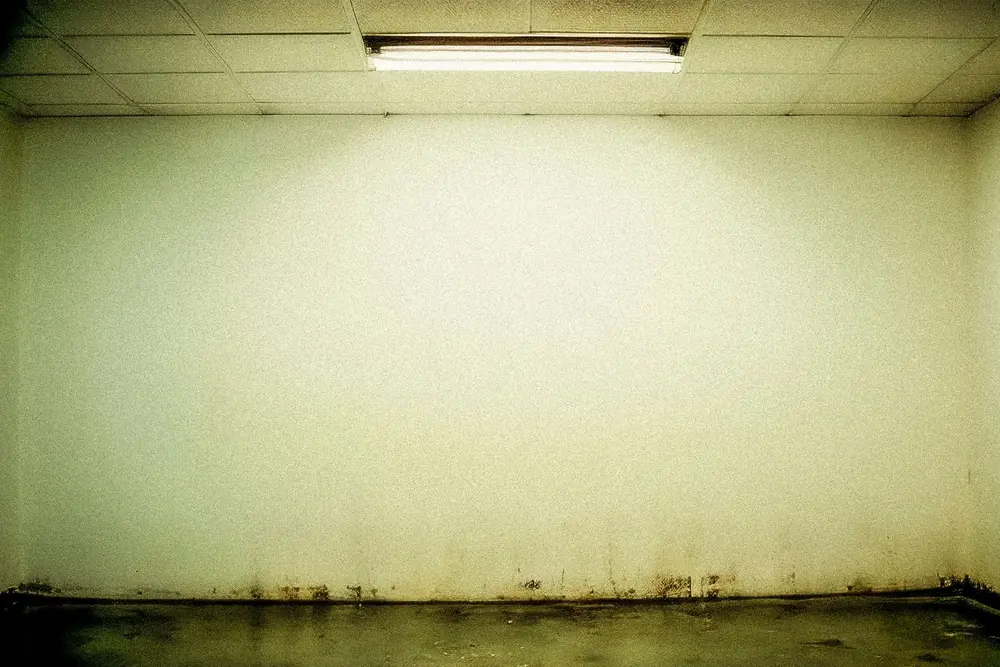
Basement waterproofing in Varna: damp cellar walls and floor
White salt patches, a smell of mould, plaster coming off the lower wall: a damp basement is common in older buildings by the sea. We work out whether the damp rises from the ground, presses in from the side or is just condensation, and only then choose how to waterproof the cellar.
Our clients on video · all videos (in Bulgarian)
Basement waterproofing in Varna starts with the cause, because the wrong method can make a damp cellar worse. Damp in a basement comes from one of four places: it rises through the masonry from the ground, presses in sideways from groundwater, condenses on cold walls, or comes from a pipe that runs through the room. We diagnose which, measure the moisture in the walls and floor, and then use an injected barrier, a cement-based coating, drainage boards or a pump pit, sometimes two of them together. The work is carried out with the craftsmen we work with. We tell you the price after we have seen the basement or your photos. If water is already standing on the floor, start with pumping out a flooded basement. This page is part of waterproofing in Varna. Ring +359 52 993 333 or email info@kanalvarna.com — write to us in English and we reply in English.
Updated November 2026A damp basement: what you see and where it comes from
Damp basements are very common in old buildings in Varna. The underground rooms are in constant contact with soil moisture, groundwater and rain running down the foundation. Without protection the water gets into the walls and the floor, and you see mould, white salt deposits, crumbling plaster and a stale smell.
We begin with a diagnosis, because wrong treatment can make things worse. The four typical causes need four different answers.
| Cause | What it looks like | What helps |
|---|---|---|
| Rising damp | A horizontal damp line up the wall, salt deposits, plaster peeling | A horizontal barrier, see rising damp |
| Side pressure from groundwater | Damp over the whole wall, water on the floor after rain | Waterproofing from outside, or tanking inside plus drainage |
| Condensation | Drops on walls and ceiling in summer, mould | Ventilation, not waterproofing |
| A pipe through the room | One wet spot that does not depend on rain | Repair the pipe, see leak detection |
How we find the cause before touching the walls
We measure the moisture in the walls and the floor with a moisture meter, check the pattern with a thermal camera, and determine from the pattern which of the four types you have. A damp line at the same height all round the room points to rising damp. A wet wall with water on the floor after rain points to pressure from outside. Drops on the walls in summer point to warm air meeting cold masonry, and that is solved with ventilation, not a membrane.
Then we choose one method or a combination and tell you the price. If water is already standing in the basement, it has to be pumped out first: that is a separate job, see flooded basement pumping.
Basement tanking and the other methods, compared
Injection barrier. Holes are drilled low in the wall at regular intervals and a water-repellent resin is injected under pressure. It fills the pores of the masonry and forms a horizontal barrier against rising damp. It suits brick, stone and concrete and needs no digging.
Cement-based tanking. A cement mix with polymer additives applied to the inside of walls and the floor, in two coats. It penetrates the concrete and seals the pores, copes with pressure from outside and can be applied to a damp surface. It is the usual answer for the inside of a cellar that cannot be dug out.
Drainage board. A studded plastic board fixed to the inner face of the walls and the floor. It leaves a small air gap and guides the water to a drainage channel and away. It does not stop the water, it manages it, so it suits basements with a steady inflow.
Sump pump pit. An automatic submersible pump in a pit at the lowest point of the basement. When the water rises it switches on and pumps it out. It is needed where groundwater is high or the cellar floods in heavy rain, and it is combined with a channel round the edge of the floor.
For most cellars, the injection barrier plus ventilation is enough. The pump is for the cellars that really flood.
Send photos and tell us where the damp is and whether water stands on the floor after rain — we tell you the price before we start.
📞 +359 52 993 333Basement waterproofing from the inside or from the outside
Outside waterproofing goes on the soil side of the foundation wall, usually a bitumen or PVC membrane with a drainage board over it. It is the most effective because it stops the water before it reaches the structure, but it means digging all round the building, which is expensive and often impossible, for instance for a cellar under a block of flats.
Inside waterproofing needs no digging: tanking, drainage boards and a pump. It is easier, but it does not stop the water reaching the wall, only its way into the room. The best result is a combination: outside waterproofing where it can be reached, plus inside treatment and drainage. If the water gathers round the foundation of a house, the drainage around the house is a separate job and can be done alongside.
In a block of flats the cellar and the outside walls usually belong to everyone, so talk to the building manager or the owners' association before anything is drilled.
Ventilation: the part people forget
Waterproofing deals with water coming in. If the cellar has no air movement, warm humid air still condenses on the cold walls, even when they are sealed on the inside. Two openings in opposite walls give natural ventilation, with a mesh against insects. Where that is not possible, a fan on a humidity switch can be fitted. Treat both as part of the job, not an extra.
If the cellar will become a workshop or a store with a resin floor, the moisture in the slab should be checked after the waterproofing and before the resin goes on.
How the job goes
- Diagnosis. Moisture readings in walls and floor; we establish whether it is rising damp, side pressure or condensation.
- Choosing the method. One method or a combination, and a quote that lists the work and the materials.
- Preparation. Old plaster and dirt are removed back to sound base; cracks and unevenness are repaired.
- Carrying out the work. Waterproofing is applied, drainage parts and the pump pit are installed. Every critical point gets extra attention.
- Check. The moisture is measured again after drying, and we give you advice on ventilation and upkeep.
The work is carried out with the craftsmen we work with. We tell you the price once you have sent photos or we have seen the basement, and it depends on the method and the area.
Owners abroad: what to send us
Send the address, whether it is a cellar in a block or the basement of a house, photos of the walls and the floor with a coin or a hand for scale, and what you notice after rain. Say who can open the door for us: a neighbour, a cleaner or the building manager. Payment is after the work, by cash, card (Visa, Mastercard) or bank transfer, with an invoice on request. We work every day from 06:00 to 23:00.
Frequently asked questions
Why is my basement damp?
The usual reasons are damp rising from the ground, missing or damaged waterproofing on the foundation, high groundwater, poor ventilation and condensation. We find out which one it is before suggesting a method.
How much does basement waterproofing cost?
It depends on the method, the area and how serious the problem is, so we tell you the price after we have seen the basement or your photos, and before we start.
Can a basement be waterproofed from the inside?
Yes, with cement-based tanking or a polymer membrane on the inner face. Mild damp is fully dealt with this way. Strong pressure from groundwater may need a drainage system as well.
Do I need a pump?
Only if groundwater is high or the cellar floods in heavy rain. For most basements an injection barrier with ventilation is enough. If water is standing in the room now, see pumping out water.
Will the basement become completely dry?
With the right waterproofing and ventilation the damp falls to a normal level. We check the moisture again after drying, so you see the difference in the readings.
I'm not in Bulgaria — can you still deal with it?
Yes. Email us the address and photos, and the name and number of whoever can open the door. We agree the method and the price with you, and you can pay by bank transfer after the work.
Who pays in a block of flats — me or the building?
It depends on whether the cellar is yours or shared and on what the owners' association has agreed. Ask the building manager first; we can explain the problem and the proposed work to them.
Damp basement?
Send photos and tell us where the damp is and whether water stands on the floor after rain — we tell you the price before we start.
📞 +359 52 993 333or email info@kanalvarna.com — write in English and we reply in English.
Send us a message
Leave your name and a phone number with the country code. Add your email if you prefer a written reply — write in English and we reply in English. We confirm the price before any work starts.