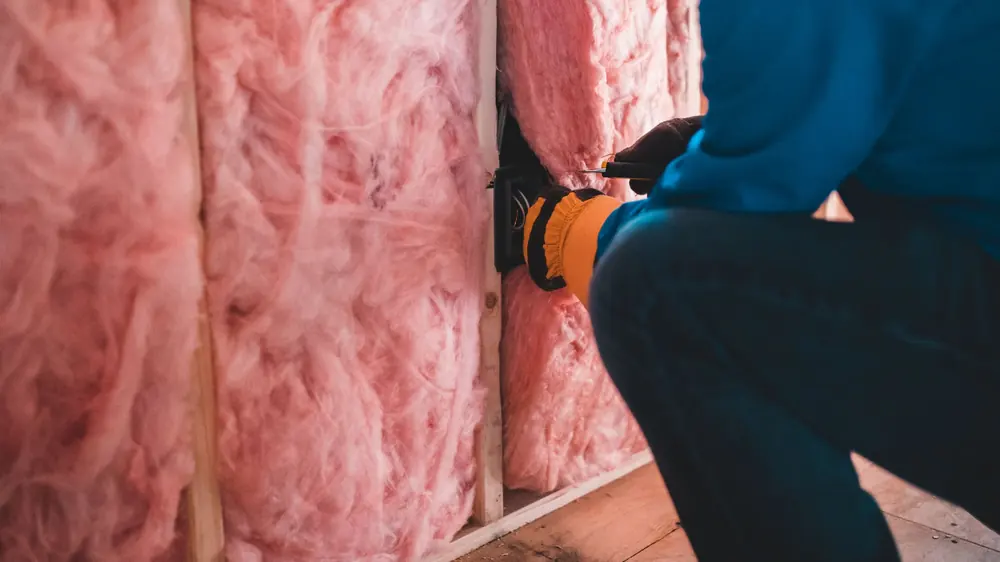
Internal wall insulation in Varna: when it makes sense, and keeping condensation out
Insulating a wall from the inside is what you do when the outside cannot be touched. Before it goes on we measure the wall, and after the first winter we check the edges and corners again, because condensation behind the insulation shows there first.
Our clients on video · all videos (in Bulgarian)
Internal wall insulation in Varna makes sense when the facade cannot be touched: a flat in a block whose owners have not agreed to insulate the outside, an old facade that must stay as it is, or one cold wall. The risk is condensation behind the insulation, because the wall behind it ends up colder than before. So we first measure the wall with a moisture meter and a thermal camera and the cause of any wet patch is dealt with first; then a system is chosen in which damp room air cannot reach the cold wall. A partner contractor fits it, and we measure again after the first winter. This is a newer line of work for us, so by phone we tell you whether and when we can start, and the price after a short description. See also insulation in Varna. Ring +359 52 993 333 or email info@kanalvarna.com — write to us in English and we reply in English.
Updated November 2026When internal wall insulation is a sensible choice
Inside insulation is sensible when nobody can work on the outside, yet one or more walls are cold and collect moisture. The most common case in Varna is a flat in a block: the facade belongs to everyone and the owners' association has not yet decided to insulate the building.
Dew point. The temperature below which air cannot hold its water vapour and it turns into droplets. The damper the room air, the higher that temperature, and the easier a cold surface gets wet.
- A flat in a block with no agreement on the facade. Insulating the outside of one flat needs the owners' association's decision and agreement on how the building looks.
- A facade that has to stay as it is, with decorative render, cornices or ornaments on an older building.
- One cold wall or corner: a wall to the stairwell or an unheated corridor, a corner on the top floor.
Where the outside can be worked on, outside insulation is almost always better: the wall stays warm, corners are covered and the room keeps its floor area. If the cold comes from above, from the slab under an unheated loft, see loft insulation.
The condensation risk behind the insulation, honestly
Inside insulation does not warm the wall, it separates it from the room, so the wall behind it becomes colder than before. If warm damp air finds a way to it, through a joint, round a socket or through a material that lets vapour pass, the air cools below the dew point and the water stays between the wall and the insulation.
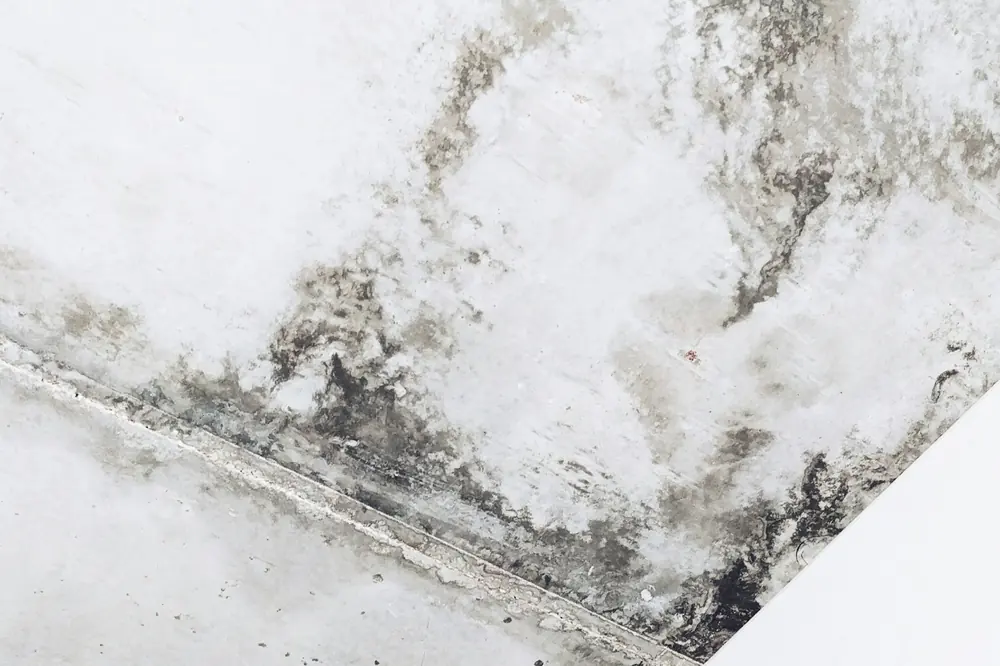
Nothing shows from outside. The mould grows behind the lining, and by the time a stain appears the wet area is already large. So the risk is settled when the system is chosen and fitted, not afterwards with paint. Two approaches work:
- Keep the damp air away from the wall. A continuous vapour barrier on the warm, room side: overlapped and taped joints, sealed cable and socket openings, no gaps at the floor, ceiling and adjoining walls. With rigid boards, adhesive over the whole face and filled joints.
- Let the wall dry out. Capillary-active boards, usually calcium silicate, take up the little condensate and give it back to the room. No vapour barrier goes in, because it would stop exactly that drying. The boards are bonded fully and finished with a filler and paint that let vapour through.
The two are never mixed, and no air gap is left between insulation and wall, because air circulates there, cools and drops water. Then there is the slab: where the insulation stops at the ceiling, the floor and the inner walls that meet the outer one, it is cold and mould often appears at that edge. So a strip of insulation is usually returned along the ceiling and the adjoining wall, its width by calculation. Whether stains in a corner are condensation or water in the wall is explained under mould and damp.
Cold wall, stains in the corner, wet behind the wardrobe
Where the damp is and when it appears tells you whether insulation would help at all. The table is a guide; the measurement decides.
| What you see | Likely cause | What we do |
|---|---|---|
| Dark stains in the corner of an outside wall, worse in winter | A cold corner (thermal bridge) and damp air in the room | Moisture meter and thermal camera; if the wall is dry and the corner cold, insulation with a strip along the ceiling and the adjoining wall |
| Damp and stains behind a wardrobe or bed on an outside wall | The furniture stops warm air and the wall behind it cools | First move the furniture off the wall; insulation only if the wall stays cold and wet without it |
| Mould appeared after internal insulation | Condensation behind it: a broken vapour barrier, open joints, sockets or an air gap | We measure the edges and joints; usually the system is redone, then mould is removed |
| A wet wall low down with white salts on the plaster | Damp rising from the foundation | Insulation does not help; see rising damp |
| Cold and damp only around the window | The seam round the frame, the rubber seals or the reveals | Thermal camera along the frame; new seals or insulation in the reveals alone is often enough |
Tell us which wall it is, which floor you are on and how long the damp has been there; we tell you whether a measurement should come first and whether inside insulation makes sense.
📞 +359 52 993 333Insulated plasterboard, boards and calcium silicate: the three systems
Three kinds of system are used for insulating walls from inside. They differ in how they protect the wall from damp air and how much room they take.
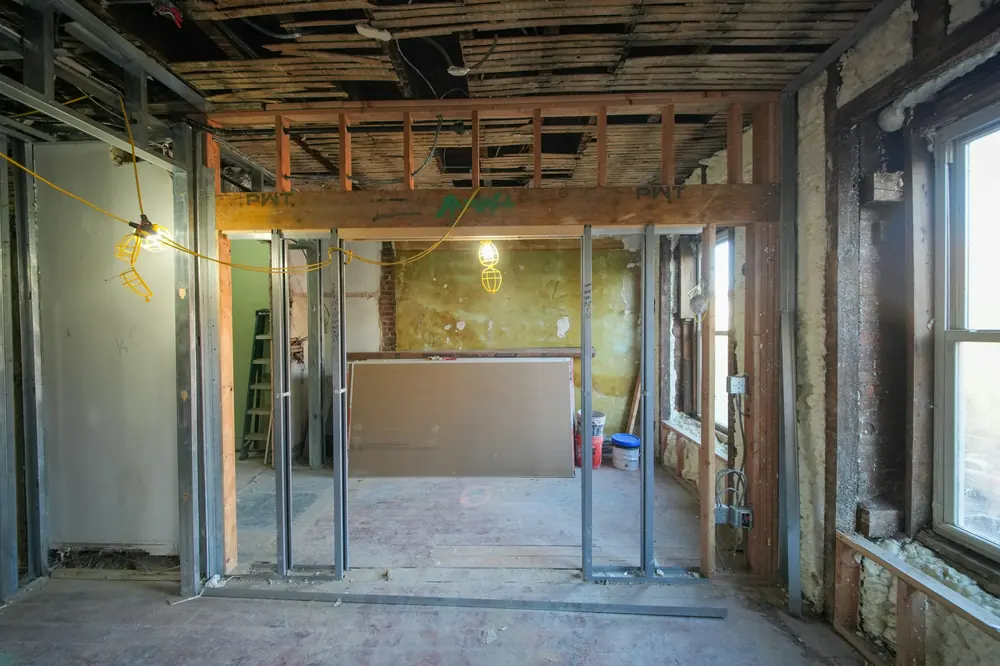
XPS boards. Rigid boards that absorb almost no water and let little vapour through. They are bonded over the whole surface with mesh and filler on top. The system is thin, but every gap is a path for moisture.
Plasterboard on a frame with wool. Mineral wool between metal profiles, a vapour barrier film on the room side and boards over it. Good for crooked walls and cables, but it takes the most room, and the film must be unbroken and taped at the edges.
Calcium silicate. Mineral boards that take up a little moisture and give it back to the room. No vapour barrier, bonded fully and covered only with materials that let vapour through. Suited to old brick walls.
Every system takes floor area, and the skirting and door frame have to be redone. The thickness is worked out for the particular wall, not by eye: with inside insulation thicker is not always better, because the wall behind gets even colder. How a plasterboard lining is built is in plasterboard fitting.
- Heavy cupboards, water heater, television. Their places are decided in advance, a backing is fitted, and every pass through the vapour barrier is sealed.
- Sockets and cables on the wall. This is 230 V work for an electrician qualified for the job, who moves them or fits boxes for an insulated wall. We do not touch the wiring.
- A radiator on the outside wall. A plumber takes it off and puts it back, and the wall behind it is insulated too.
How it goes: from the measurement to the check after winter
We start with measuring, not with the material: if the wall is wet for another reason, insulation will only shut the water in.
- Measuring the wall. With a moisture meter we compare the cold wall with the dry walls in the flat, and the thermal camera shows the cold stripes, in cold weather with a big difference between inside and outside. See the thermal imaging survey.
- The cause first. If the wall is wet from a leak, from the ground or from water coming in outside, the water is stopped first and the wall dries. Insulation never goes on a wet wall.
- Choosing the system. XPS, plasterboard with wool or calcium silicate, depending on the wall, the room and the space you can give up. The contractor quotes and we say what we measured.
- Preparation. Mould is cleaned off, loose plaster comes down, and the radiator and sockets are moved by the plumber and the electrician.
- Fitting without gaps. The contractor fits the system, returns a strip along the ceiling and adjoining walls and seals the joints and passes. This is where it is decided whether there will be condensation.
- Check after the season. After the first winter we measure the edges, corners and the junction with the ceiling again, where the risk is greatest. If you need the readings written down, see the damp survey.
The work is done by a partner contractor. This is a newer line of work for us, so who works and when we say by phone, once we know the wall.
When you do not need inside insulation
If the cold wall is only a symptom, look at the cause first.
- It is damp everywhere, not on one wall. Windows steam up every morning, the bathroom stays wet long after a shower, washing dries indoors. The water is in the air, and ventilation and an extractor fan that really pulls help; see bathroom extractor fan.
- A patch in one spot that grows or comes after rain. That is water, from a pipe, a neighbour or outside; start with leak detection.
- Only the lower wall is wet. Inside insulation seals in damp from the ground and pushes it higher.
- If you are not sure, one measurement usually answers it, and if you do not need insulation we say so.
What to tell us and what the price depends on
We give the price by phone after a short description or a visit. Tell us:
- how many square metres the wall is, and whether it is one wall or several;
- which wall: to the street, to the stairwell, a top-floor corner;
- block or house, and which floor;
- whether there are stains, wet places or a damp smell now, and since when;
- whether a radiator, sockets, switches or pipes run along the wall;
- a photo of the whole wall and of the corner up close. Email it to info@kanalvarna.com.
If you live abroad or let the flat, tell us who opens the door; in a block, whether the owners' association has agreed to any work on the outside. We issue an invoice for our part.
Frequently asked questions
Will the mould disappear after inside insulation?
If it comes from condensation on a cold wall and the insulation is fitted without gaps, usually yes, because the room side becomes warm. If it comes from a leak or damp from the ground, the insulation hides it rather than stopping it. Old stains are cleaned before fitting.
Can insulation go straight over a mouldy wall?
No. The cause is stopped and the wall dries first, then the stains are cleaned and affected plaster comes off; see mould removal. Insulation over a wet or mouldy place shuts the problem behind a new wall where it can no longer be seen.
When is outside insulation better?
Almost always, when the outside can be worked on and the wall is dry. The masonry stays on the warm side and no vapour barrier is needed in the room. In a block it needs the owners' association's decision, see insulation in Varna.
Do you fit the insulation yourselves?
No, a partner contractor does. We measure the wall before fitting and after the first winter, with the moisture meter and thermal camera, and say what we saw.
A cold wall and stains in the corner?
Tell us which wall it is, which floor you are on and how long the damp has been there; we tell you whether a measurement should come first and whether inside insulation makes sense.
📞 +359 52 993 333or email info@kanalvarna.com — write in English and we reply in English.
Send us a message
Leave your name and a phone number with the country code. Add your email if you prefer a written reply — write in English and we reply in English. We confirm the price before any work starts.