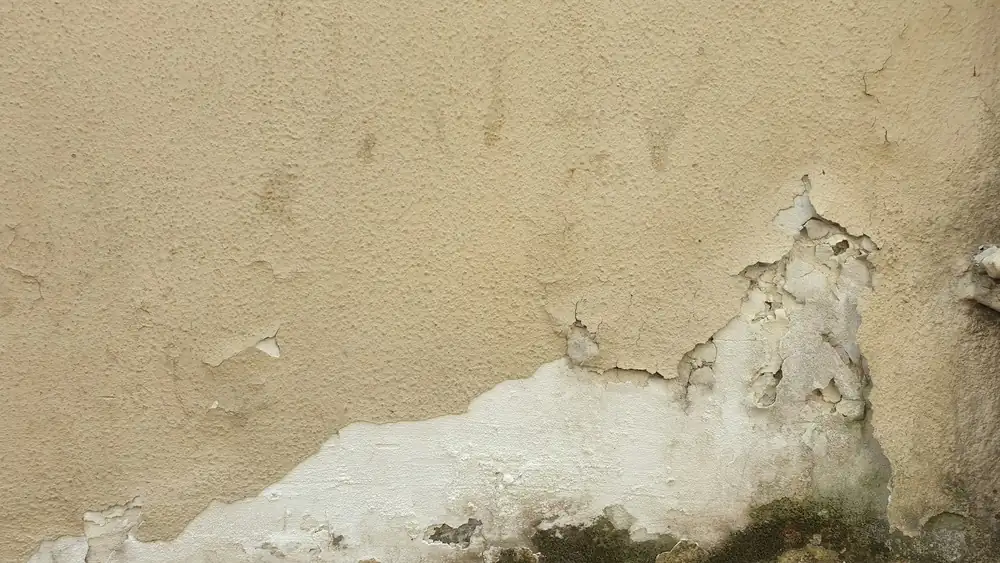
Drying out after a leak in Varna: walls, ceilings and knowing when it is dry
You can mop the floor dry, but plaster, the concrete slab and screed stay wet for much longer. We check that the leak has really stopped, measure how far the damp goes, tell you how to dry the room and measure again until it is dry. Every day from 06:00 to 23:00 in Varna and along the coast.
Our clients on video · all videos (in Bulgarian)
Drying out after a leak in Varna starts with one question: has the leak really stopped? Then we map the damp in walls, ceiling and floor with moisture meters and a thermal camera, tell you how to dry the room (airing, heating, opening up where water is trapped, and your own dehumidifier if you have one) and measure the same points again until the wet spot reads like a dry wall of the same material. We tell you the price before we start, once you have described the job or sent photos. For floors see water under the floor, and the wider topic is on our mould and damp page. We work every day from 06:00 to 23:00. Call +359 52 993 333 or email info@kanalvarna.com — write to us in English and we reply in English.
Updated November 2026Why walls and ceilings stay wet after a leak
You can mop up visible water in minutes, but plaster, brick, concrete and plasterboard soak it up and give it back slowly, and only through the surface. That is why a wall looks dry long before it is dry inside. A ceiling stain often fades while the concrete slab above it is still wet.
- The slab between floors. Water from above spreads across the concrete and can show on the ceiling far from the source. See leak from the flat above.
- Behind plasterboard. Water runs down between the board and the wall and collects in the bottom profile and the insulation. The front of the board can feel almost dry.
- Under the flooring. Laminate, parquet and tiles stop evaporation, so the screed below stays wet. That has its own page: water under the floor.
So "it looks dry" is not a measurement. Dampness after a leak is established with instruments, not by touch and not by the colour of the stain.
Drying out after a leak: where to start
Start with whether the water is still coming and how far it has reached. If water is still standing on the floor and has reached sockets, extension leads or appliances, first switch off the power at the fuse board and do not step into the water before that; have an electrician check the wet sockets and extension leads before the power goes back on. Take photos of every stain before you clean — you will want them for an insurer or a neighbour.
If the water came from the flat above, the first question is whether the source has been fixed there; see leak from the flat above. After a flood in a cellar, garage or yard, drying only begins once the mud is out — see flood cleanup.
How we work: from checking the leak to measuring until dry
We start with the cause: where the water came from and whether it is still coming. Then we map how far it has spread and tell you what to do in each room. Drying itself is up to you, following our advice — airing, heating and, if you have one, your own dehumidifier — and we come back and measure again until it is dry. That way you do not paint twice, and if someone else has to pay for the damage you have the readings to show.
- Has the leak stopped? The water meter with every tap closed, a pressure test with a gauge, the thermal camera and an acoustic detector. If the water came from a neighbour, we ask whether the source in their flat has been fixed. If it is still leaking, the job is leak detection first and drying afterwards — see thermal imaging leak detection.
- Map of the damp. A pin-type moisture meter and a contactless meter, measured on a grid of points. The thermal camera shows cooler zones that often match the wet areas, and we check each of them with the meter. We also measure a dry wall for comparison and mark the points so we can measure the same spots again.
- Plan for each room. How to air and heat it, whether your own dehumidifier helps, and what to move, open or remove. We show you on site what we found and where.
- Follow-up measurements. We come back and measure the same points. If the damp is not falling, we look for why: trapped water, too little airing, or a leak that is dripping again.
- Record. Photos, thermal images and readings by point, for an insurer, a neighbour or the building manager. More on the document itself on our leak report for insurance page.
We tell you the price before we come, once you have described the job or sent photos.
A plan for drying walls and ceilings: air, heat, opening up
A wall only gives up water when the air around it is dry enough. Heat drives moisture out of the material into the air; airing, or your own dehumidifier, takes it out of the room. One without the other works badly.
- Airing. Short and often, with the windows wide open, is better than a window ajar all day. In winter cold outside air takes up a lot of moisture once it warms in the room; on warm, muggy days it carries away much less.
- Heating. A warm wall dries faster. But heating with the windows shut and without your own dehumidifier mostly moves the water from the wall to the cold windows and corners.
- Your own dehumidifier. It works with the windows closed — with a window open it dries the street. It collects less water in a cold room, so the room must be heated. It removes moisture from the air but does not stop water still entering the wall.
- Air movement. Pull furniture off the wet wall, take off the kitchen plinth and skirting boards, and open the cupboard doors.
- Opening up. Where water is trapped behind plasterboard, under a suspended ceiling or behind cladding, it sometimes has to be opened to dry. Wet mineral wool rarely dries in place and is usually replaced. The measurements show what to open, not guesswork.
A common mistake is to close the windows and put the heating on full. The room is warm, the glass steams up and the wall hardly dries, because the moisture has nowhere to go. A sagging plasterboard ceiling is replaced, not dried.
Tell us where the water came from, when it stopped and which rooms are affected — we tell you the price before we start.
📞 +359 52 993 333Damp after a leak: what we check depending on where it is
We check every wet area separately, because materials dry differently and there is no single plan for the whole flat. The table shows what we look at and what is usually needed; the final call comes from the measurements.
| What is wet | What we check | What is usually needed |
|---|---|---|
| Ceiling after a leak from above | Whether the leak upstairs has stopped, how far the slab is wet, whether it still drips | Airing and heating, follow-up measurements; paint only when the slab is dry |
| Brick or concrete wall with plaster | Height and width of the wet area, difference from a dry wall | Clear air space around the wall, airing, your own dehumidifier if needed |
| Plasterboard wall or suspended ceiling | Whether the bottom profile and insulation are wet, whether water has collected | Often an opening or removal of the lower part, wet insulation replaced |
| Wall behind tiles, kitchen or bathroom | Damp around pipes, behind cupboards and under the sink | Plinth off, cupboards moved; if it gets wet again, check for a leak |
| Floor with laminate, parquet or tiles | Water under the flooring and in the screed | A separate plan — see water under the floor |
One room can have a wet ceiling, plasterboard in the corner and water under the laminate all at once. So we measure everything affected, not only the visible stain.
When it is dry: compared with a dry wall, not with a number from the internet
A wall is dry when the wet spot reads roughly the same as a dry wall of the same material in the same flat — with the same meter in the same mode — and still does at the next measurement. A figure from a forum or from another meter's manual does not work: moisture meters show relative values that depend on the material, the model and the mode, and two meters give different numbers on the same wall. So we pick a reference wall of the same material that the water never reached.
- The wet points read close to the reference wall.
- The readings do not climb again after a day or two with the heating and your own dehumidifier switched off.
- The pin-type meter has been used too, not only the surface one.
- The thermal camera no longer shows a cooler zone where the stain was.
- The leak has been checked and has not dripped again.
If you use your own meter, do the same: compare, do not chase a number.
What you can do yourself and when to call us
After a small, brief leak that has stopped, airing, heating and patience are often enough. A visit with instruments makes sense when the damp is large or growing, when water has got behind plasterboard or under flooring, or when you need a document.
- Photograph the stains and mark their edge with a pencil, so you can see whether they grow.
- Move furniture away from the wall.
- Air briefly and often, keep the room warm and, if you have your own dehumidifier, run it with the windows closed.
- Wait with the paint and the new floor.
Call or write when the stain is growing or comes back, when you are not sure the leak has stopped, when the ceiling is wet after a neighbour's leak, when you need a record, or when you want to know when you can paint.
If you are not in Bulgaria
Many owners find out about a leak from a tenant, a guest or a cleaner. You do not need to be here. Send us the address, a few photos of the stains with a note of when you noticed them, and the name and phone number of whoever can open the door — a property manager, a neighbour or the tenant. We arrange the visit with them and tell you the price first.
Frequently asked questions
When can I paint after the leak?
When the wet spots read like a dry wall of the same material in the same flat, and that is confirmed at the next measurement — not after a set number of days. Stained patches get a stain-blocking primer first, otherwise they often show through the new paint.
The ceiling stain has faded. Does that mean it is dry?
Not necessarily. The surface dries first and the concrete slab above may still be wet. Water also sometimes spreads across the slab, so the wet area is larger than the stain. Only a measurement against a dry part of the ceiling answers it.
Are heating and open windows enough?
After a small wetting and in suitable weather they often are. Your own dehumidifier helps when the wetting is large, when it is warm and muggy outside, or when the room cannot be aired often. Heating with the windows permanently shut and without your own dehumidifier only moves moisture to the windows.
I'm not in Bulgaria — can you still deal with it?
Yes. Send us the address, some photos and the contact of whoever can open the door. We arrange the visit with them, agree the price with you first, and you can pay by bank transfer. You can write to us in English and we reply in English.
Related pages
Laminate, parquet, tiles and the screed below Flood cleanup
Mud and silt out of a cellar or garage first Leak from the flat above
When the water came through the ceiling Leak report for insurance
What to prepare for the insurer Mould and damp in Varna
When the damp is condensation or has lasted
Still wet after a leak?
Tell us where the water came from, when it stopped and which rooms are affected — we tell you the price before we start.
📞 +359 52 993 333or email info@kanalvarna.com — write in English and we reply in English.
Send us a message
Leave your name and a phone number with the country code. Add your email if you prefer a written reply — write in English and we reply in English. We confirm the price before any work starts.