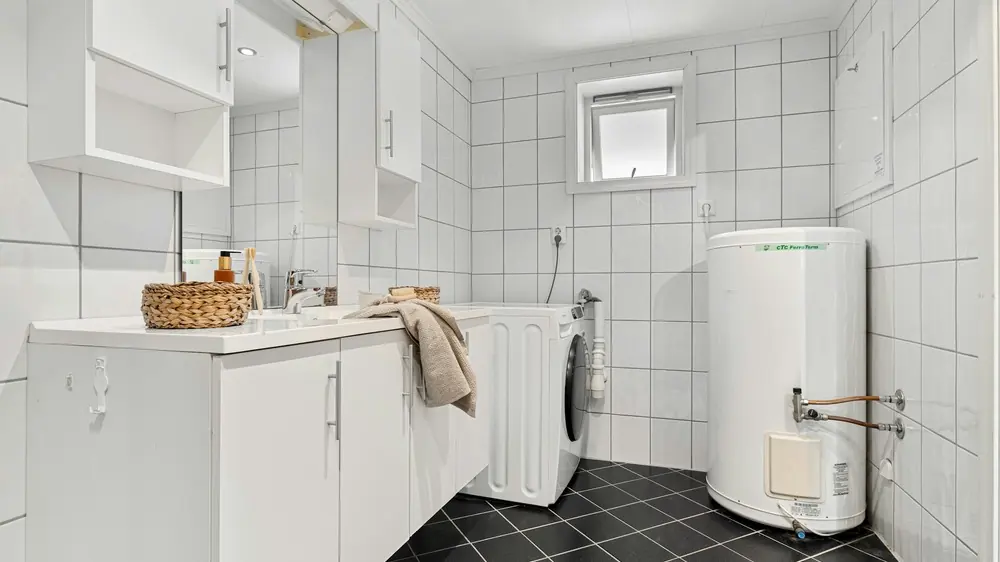
Water heater repair in Varna: no hot water, dripping or tripping the fuse
No hot water, a water heater that trips the fuse, or a valve that will not stop dripping? Nearly every repair is one worn part. The plumbers we work with find which one first and replace only that, in Varna and the nearby villages.
Our clients on video · all videos (in Bulgarian)
For water heater repair in Varna, Kanal Varna sends one of the plumbers we work with to repair an electric water heater (the tank that makes your hot water, called a "boiler" in Bulgaria) on site: heating element, thermostat, thermal cut-out, anode, safety valve and flange seal, plus limescale cleaning. Almost every fault is a single worn part, so we find it first and change only that. If the tank itself is leaking, repair is pointless and we tell you so before touching anything; see water heater installation. We tell you the price of the work and of the part before we start. We work every day from 06:00 to 23:00. Call +359 52 993 333 or email info@kanalvarna.com — write to us in English and we reply in English. Other plumbing jobs are on our plumber in Varna page.
Updated November 2026Water heater not heating or leaking: what to do first
A water heater is a pressurised tank of very hot water with mains voltage under its cover, so the first minute matters more than the repair.
- Switch the water heater off at the fuse board, or pull the plug if it is on a socket. Do not rely only on the button on the unit. If there is water under the cover or on the cable, do not touch a wet socket.
- If it is leaking, close the cold water tap that feeds it.
- Do not drain a hot tank. Let it cool or, if it is not leaking, run the hot tap until the water is lukewarm.
- Do not switch it on again if it trips the fuse or the RCD (residual current device). The fault does not go away on its own.
- Never switch on an empty tank: without water the element burns out quickly.
- Do not block the safety valve, even if it drips. Do not take the plastic cover off: there are live terminals underneath.
Water on the floor under the tank and you are not sure where it comes from? Our water heater leak page explains how to tell a seal from a rusted tank, and how a hidden leak in the wall is traced.
What the symptom usually means
Tell us what you see: whether the indicator lamp is on, when it drips, when the fuse goes. The lamp is a hint, not a verdict, because models wire it differently.
| What you notice | Likely cause | What we do |
|---|---|---|
| No heat and the lamp is off | No power reaching the unit (fuse, socket, cable), a tripped thermal cut-out or a faulty thermostat | Check the supply and the protection; if the cut-out tripped, we look for the reason first |
| No heat but the lamp is on | Most often a burnt-out heating element | Fit an element that suits the model |
| Heats slowly, hot water runs out fast | Limescale on the element, a partly failed element or a low setting | Clean, check the element and the thermostat |
| Fuse or RCD trips | Element with damaged insulation, damp terminals or a damaged cable | Check the element and connections and replace what is damaged; if the cause is in the wiring, we say so |
| Valve drips only while heating | Normal: the water expands as it warms | Nothing to replace; we check the drips are led to a drain |
| Valve drips all the time | Worn or scaled valve, or high mains pressure | Measure the pressure with a gauge; replace the valve, and a pressure reducing valve if needed |
| Drips from under the cover, around the flange | Worn flange seal | Drain, replace the seal, check element and anode |
| Hot water is rusty or smells | Worn anode, sludge in the tank; if cold water is rusty too, the pipes | Check and replace the anode, clean |
| Water comes out of the tank body itself | Rusted-through tank | Cannot be repaired: the water heater is replaced |
Electric water heater repair: element, thermostat, cut-out
When there is no hot water, the fault is nearly always in one of three parts, or the power is not reaching the unit at all. The plumber checks the chain part by part and changes only the one that has failed.
- Heating element. It burns out mainly from limescale wrapped around it, from being switched on empty, or from age. On a "wet" element the tank has to be drained and the flange removed, so it makes sense to clean the scale and look at the anode at the same visit. Some models have a "dry" element in a metal sleeve that never touches the water. Which one you have, we tell you from the data plate.
- Thermostat. If it never switches on, the water heater stays cold; if it never switches off, the water overheats and the protection cuts in. On most models the sensor sits in a sleeve, so the thermostat can be changed without draining the tank.
- Thermal cut-out. A separate protection, often in the same housing as the thermostat, which cuts the power if the water overheats. We do not simply reset it: when it trips, the water has usually overheated, typically because of a faulty thermostat or scale near the sensor, so we look for the cause first.
If the problem turns out to be the socket, the cable or the fuse board, that is an electrician's job, and we tell you so on site.
Tell us what it does and send a photo of the data plate. We tell you the price of the work and the part before we start.
📞 +359 52 993 333Limescale, anode and the dripping valve
Water in Varna is hard, so limescale in water heaters is normal. It coats the element, which then overheats and fails earlier, settles at the bottom and makes the tank noisy. With hard water the anode, the sacrificial rod that protects the tank from rust, is worth checking every one to two years. Cleaning and the anode check are easy to do together, because for both the tank is drained and the flange usually comes off.
- Power off, cold water closed, tank drained.
- Flange taken off, element and anode pulled out.
- Scale cleaned from the element and the sludge removed from the bottom, without scratching the enamel.
- Anode checked, and replaced with one that suits the model if it has been used up.
- New flange seal fitted: the old one often does not hold again once it has been removed.
- Tank filled with a hot tap open until the air is out, joints checked for drops, and only then the power switched on.
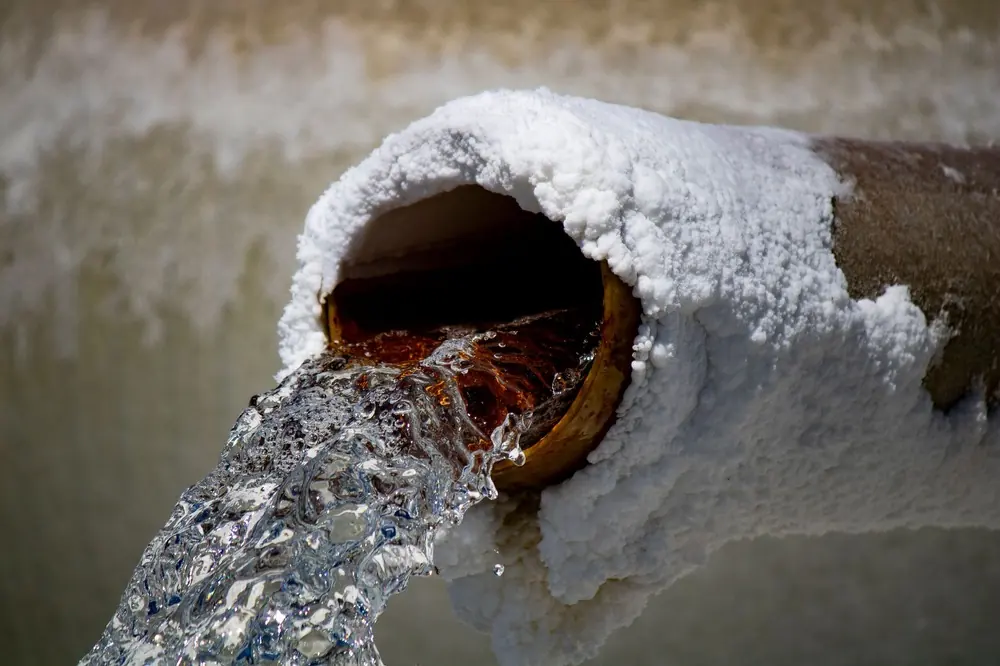
On the dripping valve: a worn or scaled valve is replaced. But if the mains pressure is high, around 5 to 6 bar and above (a home normally sees about 2 to 4), a new valve will not cure it and a pressure reducing valve fitted after the water meter is the answer, which is why we measure first. Read more on pressure reducing valves and booster pumps.
When repair is not worth it
We tell you this before we change any part.
- The tank itself is leaking, from the body or from under the insulation, and not from the flange, valve or pipe connections. A rusted tank cannot be patched; the water heater is replaced.
- The tank is badly rusted inside. If the anode is long gone and the walls are rusty, new parts bring back the hot water but the tank stays vulnerable. We say so and you decide.
- No parts for the model. For some old or rare models an element or flange is hard to find. Repair may then cost more than replacing, or be impossible.
- Repeat failures. If you are changing yet another part, add it up. Sometimes a new water heater is the sensible option.
For a replacement, see water heater installation in Varna. If the cistern in the same bathroom is also leaking, tell us: a toilet cistern repair can be done at the same visit.
How the repair goes, and what to send us
- You tell us the fault. What the water heater does, the make and model from the data plate, the capacity, and whether it is upright or horizontal. A photo of the plate and of the area under the tank helps; you can send photos by email.
- Part and price in advance. From the model we work out which part is most likely and what it costs. We tell you the price of the work, and of the part, before we start.
- Check on site. The plumber switches the power off and checks the supply, element, thermostat, protection and valve — and the pressure with a gauge if it drips.
- Repair. The faulty part is replaced; if the tank is drained, scale is cleaned and a new flange seal fitted. If a different fault turns up, you get the new price before we start on it.
- Filling and start-up. The tank is filled, checked for drops, the power switched on and the element checked to be working. We issue an invoice on request, and you pay after the work in cash, by card or by bank transfer.
If you own the flat but are not in Varna
Owners who let flats on the coast often hear about a cold water heater from a guest, not from seeing it. You do not have to be here. Send us the address, the make and model on the data plate (a photo is fine), what the water heater does, and the name and phone number of the person who can open the door: a cleaner, a neighbour or the guest. We agree the price with you before the work and you can pay by bank transfer. A water heater left unused all winter should not be switched on until someone has checked that it is full of water.
Frequently asked questions
How much does a water heater repair cost?
It depends on the fault and the model. We tell you the price of the work and of the part before we start, so send us the make and model from the data plate. If a different fault turns up on site, we give you the new price before we begin. Starting prices for some other plumbing jobs are on the plumber in Varna page.
Can the heating element be changed without draining the tank?
It depends on the model. A "dry" element sits in a metal sleeve and is changed without draining. A "wet" element is in the water, so the tank is drained and the flange removed; that is the sensible moment to clean the scale and check the anode too. From the data plate we tell you which type you have.
The fuse trips when I switch the water heater on. Is it dangerous?
Yes, so do not switch it on again until it has been checked. Often the element has damaged insulation and current leaks to the casing. It can also be damp terminals or a damaged cable. The plumber checks the element and connections and replaces what is faulty. If the cause is the socket or the fuse board, we say it is a job for an electrician.
I'm not in Bulgaria. Can you still deal with it?
Yes. Send us the address, a photo of the data plate and the contact of whoever can open the door. We agree the price with you before we start, and you can pay by bank transfer after the work.
Can I contact you in English?
Yes — write to us in English by email at info@kanalvarna.com or through the form on this page, and we reply in English. The phone number is +359 52 993 333; we work every day from 06:00 to 23:00, weekends included.
Water heater not working?
Tell us what it does and send a photo of the data plate. We tell you the price of the work and the part before we start.
📞 +359 52 993 333or email info@kanalvarna.com — write in English and we reply in English.
Send us a message
Leave your name and a phone number with the country code. Add your email if you prefer a written reply — write in English and we reply in English. We confirm the price before any work starts.