Indoor air quality in Varna: measure the air in your rooms
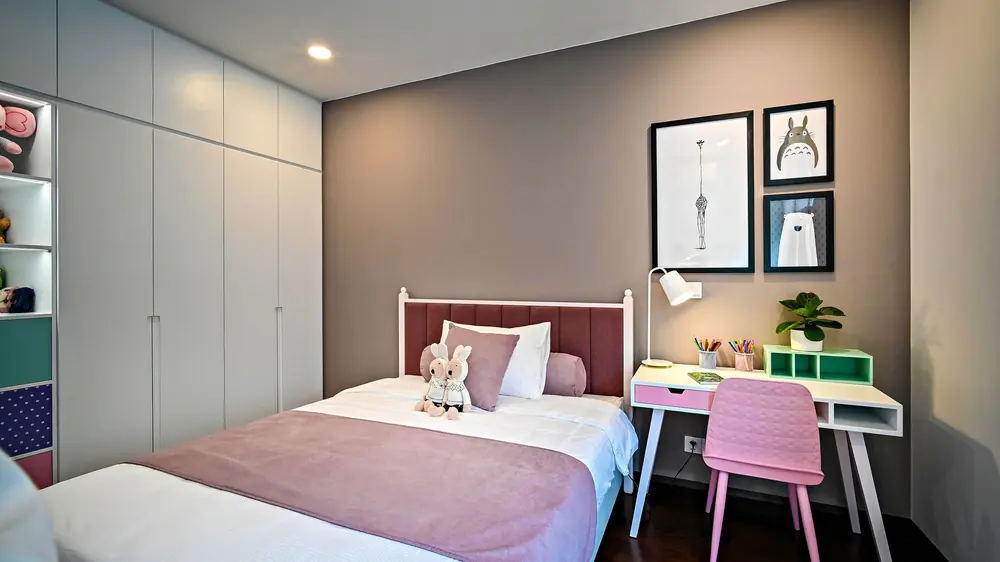
New laminate, freshly painted walls, a wardrobe in the children's room, and a smell that will not go? Or a heavy bedroom in the morning and windows running with water? We come with instruments, measure the air in each room and show you the numbers there and then.
Our clients on video · all videos (in Bulgarian)
Indoor air quality in Varna means numbers instead of guesses. We measure formaldehyde and volatile organic compounds after a renovation or new furniture, CO2, the humidity of the air and carbon monoxide in the room, and on request fine dust. Bulgaria has no legal limit for the air in a home, so we compare with the WHO guidelines and with commonly used reference values, and say in the report which is which. You receive a report by e-mail; it is not an official document. For an exact formaldehyde value, or a paper for a dispute, we arrange an accredited laboratory. This page is part of home testing in Varna; for damp walls start with the damp survey. Ring +359 52 993 333 or e-mail info@kanalvarna.com — write to us in English and we reply in English.
Updated November 2026Indoor air quality testing: what we measure and why people ask
You cannot see the air in a flat, but you can notice it: a sharp smell in the new bedroom, a heavy feeling in the morning, water on the glass. We bring instruments and give you a figure for each room, so that you are not left guessing.
- Formaldehyde — from the chipboard, MDF and OSB in furniture, from laminate, and from some glues and varnishes.
- VOCs (volatile organic compounds) — one combined figure for paints, varnishes, thinners, glues, silicone and cleaning products.
- CO2 — how well the air in the room is being replaced, above all in a bedroom at night.
- Air humidity and temperature — because of condensation on windows and mould in corners.
- Carbon monoxide (CO) — in rooms with a gas boiler, a stove, a fireplace or a gas water heater.
- Fine dust (PM2.5) — only if you ask, for instance after building work or in a home where people smoke.
People usually call us after a renovation, when the smell of paint stays; after laying a floor or buying a wardrobe; when preparing a child's room; or when the windows mist up every morning after the old frames were replaced.
Is there a limit for the air in a home? The WHO guidelines we compare with
The honest answer is that Bulgaria has no legal limit for formaldehyde, VOCs or CO2 in the air of a home. So the report compares with the WHO guidelines for indoor air where they give a number, and with commonly used reference values for the rest, and it always states which is which.
| Reading | Reference | Where it comes from |
|---|---|---|
| Formaldehyde | 0.1 mg/m³, averaged over any 30 minutes | WHO guidelines for indoor air |
| Carbon monoxide | WHO values for periods from 15 minutes to 24 hours | WHO guidelines for indoor air |
| CO2 | About 1000 ppm for a well-ventilated room; outdoors about 420 ppm | A common reference, not a limit |
| VOCs, combined | No figure: we compare before and after airing, and with outdoors | No Bulgarian limit |
We do not give health opinions — that is a question for a doctor.
Formaldehyde and VOCs after a renovation: why we measure twice
Formaldehyde and VOCs do not leave boards and paint all at once. The release is strongest in the first weeks after fitting or painting, and then falls; from the boards in furniture and floors it can go on longer. A warm, damp room releases more than a cool, dry one, and with the windows shut the air collects it.
So one number without conditions says little. We measure like this:
- Windows and doors closed. We ask you to keep the room shut for several hours before we arrive, as it is overnight. That shows what builds up when nobody airs.
- After airing. We open everything wide for a few minutes, close up again and watch the values climb back. If they climb fast, the source is in the room.
- Room by room. The new bedroom, the children's room, the hall, and outdoors for comparison.
- Temperature and humidity written beside every value, because without them a later measurement cannot be compared fairly.
The portable formaldehyde instrument gives an approximate value and shows the differences between rooms. For the exact value an air sample is taken actively and analysed in an accredited laboratory; we arrange that if you need it. If the floor is still to be laid, see laminate flooring; for the dust and residue left by builders, see after-builders cleaning.
CO2 in the bedroom: the heavy air in the morning
CO2 is the clearest sign of how well the air is replaced. We all breathe it out, so in a bedroom with two people and closed windows it rises all night. Outdoors it is about 420 ppm; about 1000 ppm is the usual reference for a well-ventilated room.
The most telling reading is overnight: we leave a CO2 data logger in the bedroom, and it logs CO2, humidity and temperature every few minutes. We collect it the next day and you see the curve — how high it went and what happens when you leave the window or the door ajar.
- New PVC windows seal far better than old ones, and cut off the natural flow of air.
- A closed bedroom door stops the air changing with the rest of the home.
- An extractor grille with no draught pulls nothing out, and without air coming in from outside even a good fan cannot work.
Tell us what is new in the home, how long it has been there and which room smells. We say by phone which readings make sense and when we can come.
📞 +359 52 993 333Humidity, misted windows and mould: where this page stops
We measure the humidity of the air, with the temperature, in different rooms, and how it changes overnight and after cooking, showering or drying washing. Drops on the inside of the glass mean the room air is humid for that cold surface; if it repeats every morning, mould often follows in the corners of outside walls.
Moisture inside the wall or the floor is a different job: see the damp survey. If mould is already there, start with mould and damp or mould removal; if the bathroom never dries after a shower, look at the bathroom extractor fan.
Carbon monoxide: we measure the room, not the boiler
Carbon monoxide forms when something burns incompletely: a gas boiler, a gas water heater, a wood or pellet stove, a fireplace. It has no smell and no colour, so an instrument is the only way to know what is in the air. We measure beside the appliance and in the next rooms while it is running, and compare with the WHO guidelines. The instrument reads in ppm and the guidelines are in mg/m³, so the report gives both.
How the measurement goes, and what you receive
- Call or e-mail. You tell us what is new in the home, which room smells and how you heat it.
- Preparation. For some hours beforehand windows and doors stay shut, with no air fresheners, candles or cleaning products.
- Readings with the windows closed. Formaldehyde, VOCs, CO2, humidity and temperature in each room and outdoors; CO as well if there is a gas appliance.
- Airing and a second reading. We air the room and measure again, so that you see how quickly the level falls and returns. If needed we leave a CO2 logger in the bedroom for a night.
- Numbers on the spot, a report afterwards. We show you the values while we are there, and afterwards e-mail a report.
In a flat the measurement takes about an hour or two; the overnight logger adds a visit the next day. We work every day from 06:00 to 23:00, at a booked time. The report holds the date, the temperature and humidity, which windows were shut and for how long, the values room by room with the reference beside each, and what you can change and when a repeat is worth doing.
When it is not worth calling us
- You are looking for the air quality of the city. Figures for outdoor air come from the Regional Inspectorate of Environment and Water (RIOSV) and the municipality. We measure inside the home.
- The smell has already gone. If you have aired regularly for weeks and nothing smells, a measurement seldom tells you anything new.
- A carbon monoxide alarm is going off right now. Ventilate, switch the appliance off and call its service company; if anyone feels unwell, ring 112.
If you live abroad and let the flat out, tell us who holds the keys: a neighbour, the building manager or the tenant. We can only measure with the windows shut for some hours if someone agrees the time with us. Write to us in English and we reply in English.
What the price depends on
We give the price by phone once you have described the home. It depends on the number of rooms, on which readings you want and on whether a CO2 logger stays overnight. A formaldehyde sample for an accredited laboratory costs what the laboratory charges, and we tell you that before the sample is taken. You get an invoice; payment by cash, card or bank transfer.
Frequently asked questions
How long after a renovation should I wait before testing for formaldehyde?
The release is strongest in the first weeks after painting or fitting. A reading then shows the peak; a second one weeks later shows how far it has fallen. We measure with the windows closed and again after airing, and tell you by phone when a repeat makes sense.
Can your instrument give an exact formaldehyde value?
The portable instrument gives an approximate value and the differences between rooms. An exact figure needs an air sample analysed by an accredited laboratory, which we arrange; its price is the laboratory's and we say it in advance.
Is there a legal limit for the air in a home?
Not in Bulgaria for formaldehyde, VOCs or CO2. We compare with the WHO guideline of 0.1 mg/m³ for formaldehyde over 30 minutes and with common reference values, and the report says which is which.
I live abroad and let the flat out. Can you deal with it?
Yes. E-mail us the address and photos, tell us who holds the keys and who will be at the door, and we agree the time by phone with that person. The report comes by e-mail to you. Write to us in English and we reply in English.
Do you check my gas boiler or chimney?
No. We measure only the carbon monoxide in the air of the room. Boilers, gas appliances, stoves and chimneys are for the appliance's service company.
Can you leave an instrument overnight?
For CO2, yes: a data logger stays in the bedroom for a night and we collect it the next day. We agree the day by phone.
A smell you cannot place?
Tell us what is new in the home, how long it has been there and which room smells. We say by phone which readings make sense and when we can come.
📞 +359 52 993 333or email info@kanalvarna.com — write in English and we reply in English.
Send us a message
Leave your name and a phone number with the country code. Add your email if you prefer a written reply — write in English and we reply in English. We confirm the price before any work starts.