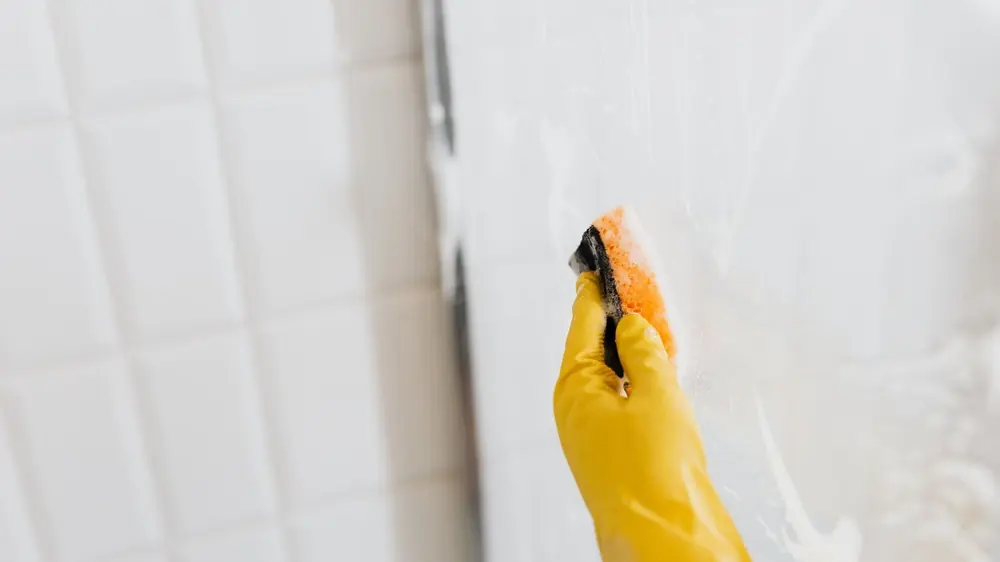
Regrouting in Varna: bathroom grout and silicone replaced properly
Grout crumbling in the shower, black silicone round the bath, or a stain at the neighbour's after a leak? Regrouting only stops water that passes through the grout or silicone, so we check where it comes from first. Then the old grout is cut out, new grout laid and the silicone renewed.
Our clients on video · all videos (in Bulgarian)
Regrouting in Varna means cutting the old grout out to a proper depth, cleaning and drying the joints, laying new cement or epoxy grout and replacing the silicone round the bath, tray and basin — the tiles stay where they are. It only stops water that really goes through the grout or silicone, so when there is a leak we first find out where the water comes from. The work is done by the plumbers we work with. We tell you the price after we have seen the grout and before we start. Call +359 52 993 333 or email info@kanalvarna.com — write to us in English and we reply in English. Other planned jobs are on the plumber in Varna page.
Updated November 2026Regrouting in Varna: what it is and when it is the right repair
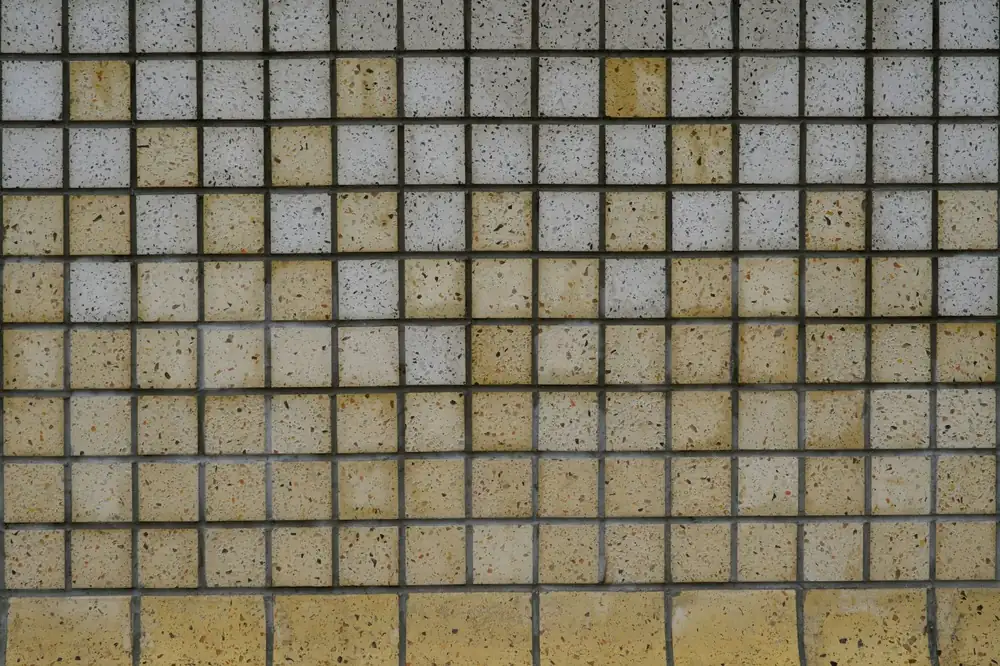
Regrouting means replacing the grout between tiles without taking the tiles off: the old grout is cut out and new grout is laid in its place. It is the right repair when the tiles are firmly stuck and the problem is the grout itself or the silicone in the corners. Dark grout is mostly cosmetic. Crumbled and cracked grout lets water through much more easily.
| What you see | What it usually means | What happens |
|---|---|---|
| Grout crumbles in places, the rest is hard | Local wear, most often round the shower | The crumbled areas, or the zone around them, are regrouted |
| Grout is dark but whole and hard | Dirt or mould on the surface, not a break | Cleaned; renewed only if you want a new look |
| Silicone round the bath or tray is black, cracked or peeling | Mould in the silicone, or a gap where water passes | The silicone is replaced completely, not covered |
| A crack right in the corner or along the bath edge | There is movement there and cement grout cannot take it | Cut out and sealed with sanitary silicone, not grout |
| Tiles sound hollow or rock | The tile is not stuck down fully; water may collect under it | Regrouting is not enough — see below |
| A wet patch at the neighbour's and the pipes have not been checked | The cause is not yet known | Leak detection first, repair after |
First: where does the water really come from?
If you are regrouting because of a stain on the neighbour's ceiling or a wet wall, make sure first that water passes through the grout. The same stain can come from a pipe in the wall, the floor drain, the connection under the tray or the tap. New grout will not stop any of those, and you will have paid for a repair that does nothing.
So with a leak we start with a check: a thermal camera, moisture meters and, if needed, a pressure test of the pipes. How water is traced to the grout is covered in leaking tile grout, and for an enclosure in shower leak.
"We tried regrouting and it still leaks" is something we hear often. It is usually one of three things: the new grout was laid in a thin layer over the old; grout was used in the corners and round the bath where silicone belongs; or the water never came from the grout. If a document is needed for a neighbour or an insurer, see the leak report page.
Cement or epoxy grout
For most bathrooms, an improved cement grout is a sensible choice: easier to lay, less expensive, and available in many colours. Epoxy grout absorbs almost no water or dirt and suits places that are constantly wet, such as a shower with no enclosure, or where strong cleaners are used.
- Cement grout. Cement-based, takes in a little water, so over the years it darkens and may grow mould. Easier to lay and to repair in patches; less expensive.
- Epoxy grout. Two-part, resin-based. It practically does not absorb water and tolerates stronger cleaners. It hardens fast, so excess is cleaned off at once, and the joints must be completely dry before it goes in. More expensive and harder to lay and to repair later.
- Sanitary silicone. Not grout but an elastic seal. It goes wherever there is movement: the corners between walls, between wall and floor, and round the bath, tray and basin. It usually contains an anti-mould additive. For marble and natural stone a neutral-cure silicone is used, because the acetic kind can leave stains.
Epoxy grout does not replace waterproofing. It holds water better, but with no membrane under the tiles, a cracked tile or a gap at the drain will still let water through. We tell you which grout makes sense for your bathroom and why.
How regrouting is done
Good regrouting is mostly preparation: the old grout comes out to depth, it is not scraped on the surface. A thin new layer over the old has nothing to hold on to and soon crumbles.
- Look and choose. We tap the tiles, check the grout and decide with you: partial or whole, cement or epoxy.
- Cut out. The old grout is cut out with an oscillating tool or by hand, to depth, without chipping the edge of the tile glaze. Old silicone comes out completely.
- Clean and dry. Dust and mould are removed. If the bathroom was wet from the leak, it has to dry first; if in doubt we check with a moisture meter. Epoxy grout and silicone need a completely dry base.
- New grout. The mix is pressed in with a rubber float, diagonally across the joints, the excess is removed and the tiles are washed several times.
- Silicone. Corners and joints with the bath, tray and basin are made with sanitary silicone, not grout.
- Hand over. We clean the tiles and tell you when you can use the water.
Describe what you see and whether there is a leak to a neighbour — we check where the water comes from first, and tell you the price before we start.
📞 +359 52 993 333Replacing silicone round the bath, shower and basin
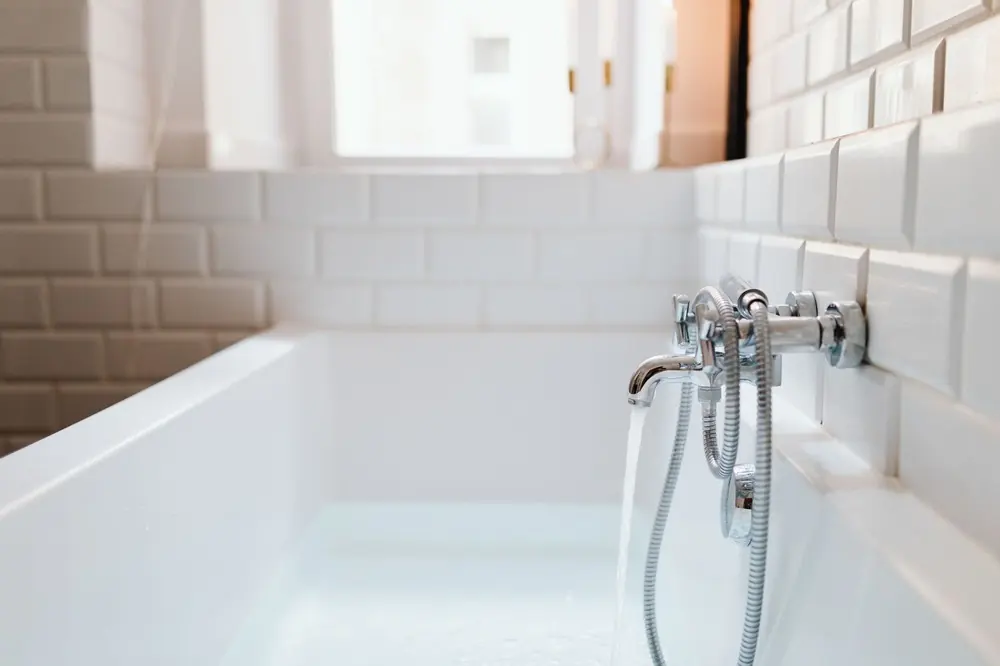
Silicone is replaced completely. The old is cut right back to the tile, the remains are removed, the surface is degreased, and only then does new sanitary silicone go in. New on top of old does not stick, and water carries on getting underneath. Mould in silicone usually sits inside it, so it is not worth cleaning: black silicone means replacement.
- The old silicone is cut out and the remains taken off mechanically and with a suitable cleaner.
- Mould in the joint is treated, and the place washed and dried.
- The surface is degreased, because silicone does not stick to soap or grease.
- The bath is filled with water before it is sealed, so that it sits where it does in use; otherwise the joint can tear on first filling.
- The bead is laid evenly and smoothed, and the water stays in the bath until the silicone sets.
In an enclosure, the silicone runs along the tray's joint with the walls and along the profiles. If you are considering a new enclosure instead, see shower enclosure installation. Stains on the wall around the bath may also need treatment against mould: bathroom mould.
Part or whole bathroom, and when you can shower again
If most of the grout is hard and only crumbles in spots, regrouting the worn patches is enough. A full renewal makes sense when the grout is crumbling everywhere, when it lets water through in the shower area, or when you want one colour and one material throughout. New grout nearly always differs in colour from the old, even when it is "the same" colour, because the old has darkened — so we advise redoing at least a whole zone, such as the shower wall or the floor round it.
After cement grout you can usually use the shower after at least a day, and after sanitary silicone also about a day; with a thick bead and a cold bathroom, longer. Epoxy depends on the product. Follow the instructions on the pack, ventilate the room until everything has dried, and avoid acidic cleaners on new grout.
The price depends on the area, the state of the old grout (hard grout is cut out more slowly and mould adds work), the material, and how many silicone joints there are. We tell you the price after we have seen the grout and before we start; an invoice on request.
When regrouting is not enough
- Hollow or loose tiles. The tile is not stuck down fully and water can gather under it. New grout does not fix what is underneath.
- Wet under the tiles. If the waterproofing is missing or torn, water gets to the slab; the answer is a membrane under the tiles.
- A drain, tray or pipe leaking. Grout is not involved; the cause is found by leak detection.
- The whole bathroom is worn out. With cracked tiles, grout crumbling everywhere and old pipes, think about a bathroom renovation instead.
If you are not in Bulgaria, or the flat is let
Send photos of the grout and the silicone by email, tell us if there has been a leak to the flat below, and give us the name and phone number of whoever can open the door. We agree the price with you before we start; pay by bank transfer if you prefer.
Frequently asked questions
Can new grout go on top of the old?
It is not a good idea. A thin layer has nothing to bond to and crumbles, and water keeps passing through the old crack. The old grout is cut out to depth, cleaned and only then is the new laid.
How long before I can use the bathroom?
After cement grout, usually at least a day; after sanitary silicone about a day, longer with a thick joint and a cold bathroom. Epoxy grout has its own times depending on the product.
Is epoxy grout always better?
No. It absorbs almost no water and is good in the wet zone of a shower, but it is more expensive and harder to lay and to repair. For walls outside the shower, or a bathroom with an enclosure, improved cement grout is usually enough.
Why does silicone go black, and can it be cleaned?
Black is mould, which grows in damp with poor ventilation. If it is on the surface it can sometimes be cleaned off, but it usually gets into the silicone itself, and then the only fix is to cut it out, treat the spot, degrease and apply new silicone.
Will regrouting stop a leak into my neighbour's flat?
Only if the water passes through the grout or silicone. That is why we check first where it comes from. If the cause is a pipe, a drain or a torn waterproofing layer, new grout will not stop it.
Do tiles have to come off?
No. The tiles stay; only the grout and silicone change. They come off only if they sound hollow, rock, or are wet underneath, and then the answer is waterproofing or a bathroom renovation, not new grout.
I'm not in Bulgaria. Can you still deal with it?
Yes. Send photos by email and the contact of whoever can let us in. We agree the price with you before we start, and you can pay by bank transfer. Write to us in English and we reply in English: info@kanalvarna.com.
Grout crumbling or silicone gone black?
Describe what you see and whether there is a leak to a neighbour — we check where the water comes from first, and tell you the price before we start.
📞 +359 52 993 333or email info@kanalvarna.com — write in English and we reply in English.
Send us a message
Leave your name and a phone number with the country code. Add your email if you prefer a written reply — write in English and we reply in English. We confirm the price before any work starts.