
Leak in a rented flat in Varna: who reports, who pays, and how we find the cause
Are you the tenant or the owner? Either way the first questions are the same: where is the water coming from, and who has been told? Who pays is for the two of you to settle. We look for the cause, and describe it in a report that both sides can read.
Our clients on video · all videos (in Bulgarian)
A leak in a rented flat in Varna raises two questions: where is the water coming from, and who tells whom? In general, small repairs from ordinary use fall to the tenant and other repairs to the landlord, unless the tenant caused the damage — but your tenancy contract comes first, and for a ruling on a specific case you need a lawyer. The tenant should stop the water, take photographs and tell the landlord in writing. The landlord, if abroad, can ask for photos and a check of the water meter, then decide on an inspection. We find the cause with a thermal camera, a moisture meter and, if needed, other instruments, and send you a written report by email, with an invoice to whoever you name. We do not decide who pays. Call +359 52 993 333 or email info@kanalvarna.com — write to us in English and we reply in English. Overview: leak detection in Varna.
Updated November 2026Who deals with a leak in a rented flat?
As we understand the general rule in Bulgaria, minor repairs from ordinary use are for the tenant, and every other repair is for the landlord, as long as the tenant did not cause the damage. Where it is unclear what counts as minor, the answer depends on the case. Read your tenancy contract first: if it says who repairs what, a lawyer would start there too.
Our job is narrower. We find where the water comes from, with instruments and without breaking anything, and describe what we found. We do not decide who pays. That is for the tenant and the landlord, and for a lawyer if you disagree. This is general information, not legal advice.
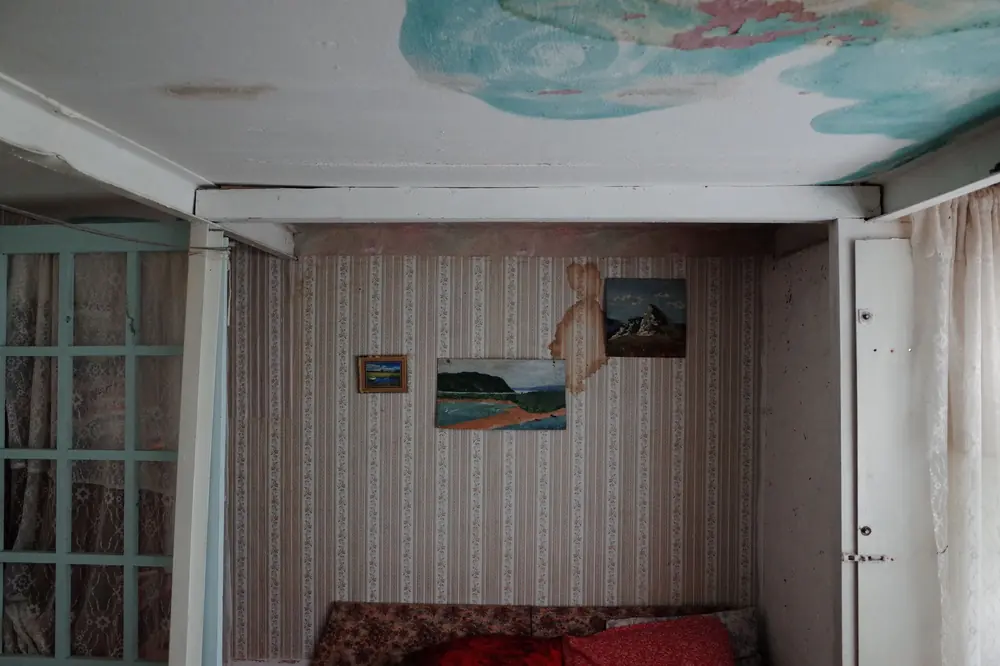
If you are the tenant: the first steps
Stop the water, photograph it, and tell the landlord in writing, in that order. A message by email or text keeps the date and the time, so it is harder later to argue about when you said so.
- Stop the water. If it is near a socket or a light, switch off the power for that room at the fuse board first. Close the stopcock for the bathroom or kitchen; if you do not know which it is, close the main one next to the water meter. If the water comes through the ceiling, your stopcock will not help — go upstairs and knock. If it will not stop, see emergency plumber in Varna.
- Photograph. A wide shot and a close-up of the stain, water on the floor, the furniture. Photograph your own belongings separately — you will need that if you claim for them. Mark the stain's edge with a pencil to see if it grows.
- Write to the landlord. What is wet, where you think it comes from, since when, and what you have stopped. Attach the photos.
- Tell the neighbours. If water could have reached the flat below, knock there too.
- Do not repair or paint until it is clear where the water comes from. Paint hides the trace, and then it becomes your word against theirs.
If water stands in the sink or the shower and does not come out of a wall or ceiling, it is more likely a blockage than a leak — see blocked drains in Varna.
If you are the landlord: what to check from a distance
Ask for photos and a water meter check, then decide on an inspection.
- Ask the tenant to close all taps, stop the washing machine and the dishwasher, and see whether the water meter still turns (if there are two meters, check both), including the small dial on the face. If it turns, water is escaping somewhere after the meter — sometimes only through the toilet cistern. If it stands still, the leak may be in a drain, the riser or coming from above; a very slow leak does not always show on the meter.
- If the flat is insured, check the policy for the time limit to notify your insurer. What our report for an insurer contains is on leak report for insurance.
- If the leak may come from the shared parts — a riser, the roof, the façade — tell the building manager too.
If you live elsewhere and the tenants are waiting for you to decide, tell us who will open the door and when. You then receive the report by email and can forward it to the tenant, the neighbour or the insurer. If the water comes from above, the source may not be in your flat at all: see leak from the flat above.
Tell us whether you are the tenant or the owner, where it is wet and who can open the door — we tell you the price before we start.
📞 +359 52 993 333Where the water comes from — and why it matters for the argument
The same stain can come from a hose that burst last week or from a pipe that has been rusting in the wall for years. The first question is where, and only then who.
| Possible source | What it looks like | Where we look |
|---|---|---|
| Hoses and traps | Wet cabinet, drip under the sink, damp by the washing machine | Flexible hoses of taps, washing machine and dishwasher; the trap under the sink |
| Hidden pipes | A stain with no visible cause | Supply pipe or drain in the wall or under the tiles, found with instruments |
| The bathroom | A stain that grows after bathing | Grout, silicone, floor drain, waterproofing under the tiles |
| From above or outside | A stain on the ceiling or an outer wall | The neighbour above, the shared riser, the roof, the balcony or the façade — the repair is often not in the rented flat |
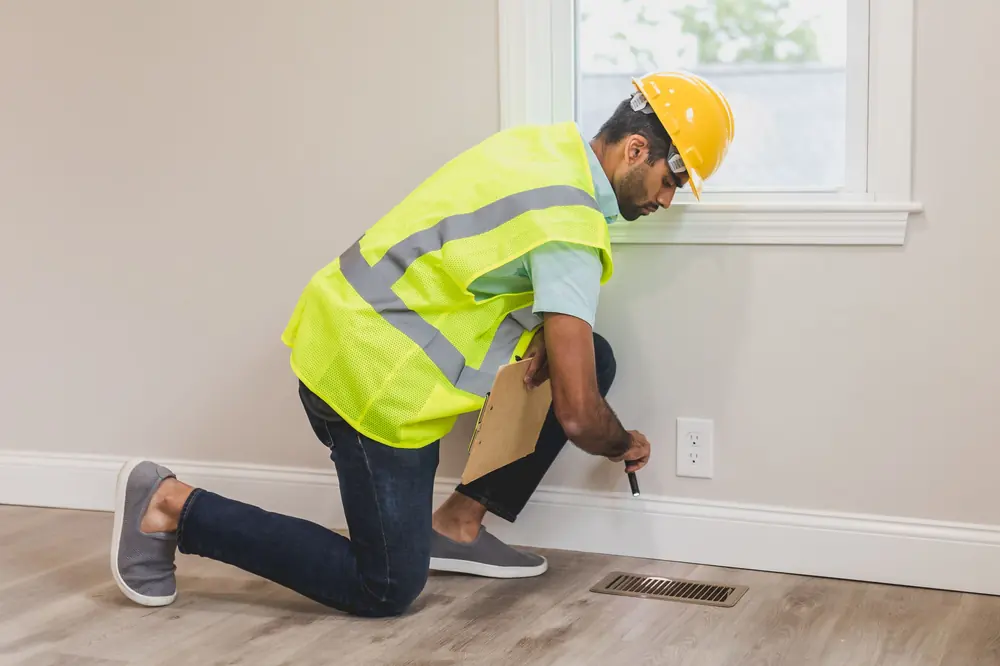
There is also damp without a leak: condensation on cold walls in winter, from poor ventilation, from cold spots in the wall, or both. Then there is no pipe to repair — see damp and mould in Varna.
How the inspection goes and what you get
- You tell us who and where. Tenant or owner, where it is wet, since when, who can open the door and at what time.
- Price before we come. After a short description or photos.
- Instruments. A thermal camera shows the temperature differences on the surface where damp probably is. A moisture meter confirms the damp by point and compares it with a dry spot on the same wall. If needed, a listening device, a pressure test of the water supply, or a camera for the drain.
- On site. We show you what we see.
- Report by email. Where it is wet, where the water comes from if we established it, whether it is still coming, with photos and thermal images. The invoice goes to whoever you name.
What the report contains is described in full on leak report for insurance. If a repair is needed — a pipe or a connection to replace, new grout — we take it on and carry it out with the plumbers we work with, once it is clear where the problem is. Who pays for the repair is for you two to settle; we issue the invoice to whoever you name. For planned repairs, see plumber in Varna.
When the water goes to the neighbour or comes from them
If water from the rented flat has reached the flat below, the neighbour may turn to the owner, the tenant or both. If you are the tenant, tell the owner without delay. If you are the owner, speak to the neighbour below and arrange an inspection of the source. How responsibility is divided between owner and tenant depends on the cause and on the contract.
An inspection takes place when someone can let us in. We work from 06:00 to 23:00 every day, so a time can usually be found outside working hours, for example when the tenant is back in the evening. If the water comes from the shared parts or from above, the decision usually goes through the building manager — see building managers.
What you need someone else for
- Who pays under your contract — a question for a lawyer.
- A dispute that has already gone to legal proceedings — the expert is the one appointed in those proceedings, not us.
- A sum for the damage — the insurer or its assessor values it.
When you ring or write, tell us whether you are the tenant or the owner, where it is wet, since when and who can open the door. It also helps to know the address and floor, whether anyone lives above and below, what you see (stain, drip, water on the floor, smell), when it appears (all the time, after a shower, after rain), who the report is for and in whose name the invoice should be.
Frequently asked questions
A washing machine hose burst and flooded the neighbour. Does the tenant pay?
It depends on the contract and on why the hose failed. Towards the neighbour, the general principle is that the owner of the machine and the person who has it in their care can both be held responsible — and the machine may belong to the tenant or to the landlord. Between tenant and landlord it is a separate question. We find where the water came from and describe it; who pays is for you two, or for a lawyer if you disagree.
Can the tenant call a plumber and deduct the cost from the rent?
Bulgarian law allows it for repairs that are the landlord's to make — not for minor ones, and not where the tenant caused the damage — if the landlord has been told and does not do them. In practice: tell the landlord in writing first, give them time, and keep the invoice and the photos. If you are not sure, ask a lawyer. We can issue the invoice to whoever you name.
Who orders the inspection, the tenant or the owner?
Whichever of you contacts us; we arrange the time with that person. The invoice goes to whoever you say, and you receive the report by email and can forward it to the other side.
Does the owner have to be there?
Someone has to let us in and show us where it is wet, most often the tenant. Whether the owner needs to be present and how it is paid, we settle by phone or email before we come.
Will the report say who is at fault?
No. It says where it is wet, where the water comes from if we established it, and whether it is still coming, with photos and readings. Whether it was ordinary wear, a minor repair or somebody's fault is for you two to judge, and for a lawyer if you disagree.
I own the flat but I'm not in Bulgaria. Can you still deal with it?
Yes. Tell us who can open the door and when, send the photos by email, and the report comes to you by email. Payment can be by bank transfer after the work.
The landlord is not answering and the leak goes on. What can I do?
Stop the water if you can, write again in writing and keep photos with dates. If the landlord does not repair it, Bulgarian law gives the tenant options such as asking for the repair, a lower rent or ending the contract; which one is sensible for you is a question for a lawyer. You can still call us to find the cause — the tenant can order the inspection.
Leak in a let flat?
Tell us whether you are the tenant or the owner, where it is wet and who can open the door — we tell you the price before we start.
📞 +359 52 993 333or email info@kanalvarna.com — write in English and we reply in English.
Send us a message
Leave your name and a phone number with the country code. Add your email if you prefer a written reply — write in English and we reply in English. We confirm the price before any work starts.