Leak detection in Varna city centre: old brick buildings, found without breaking in
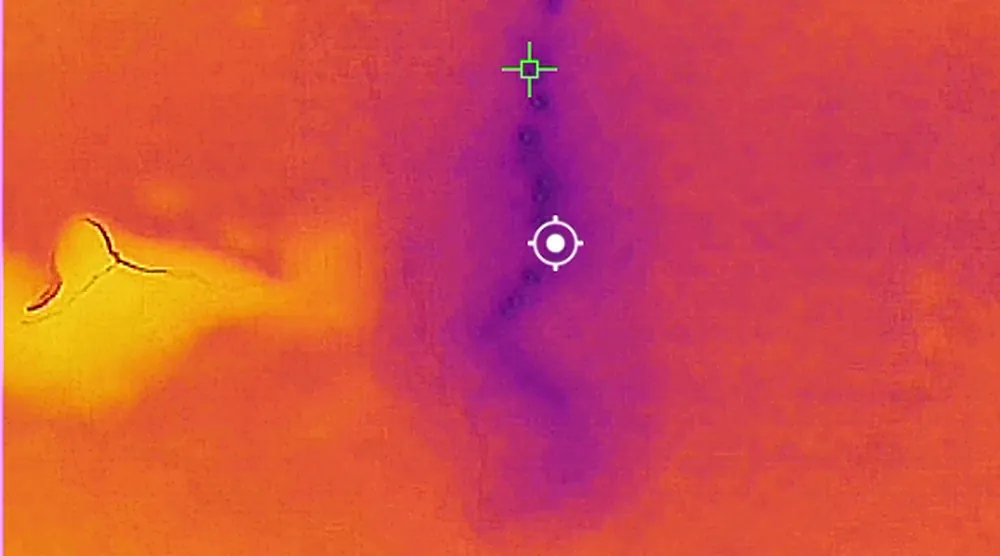
A stain on the ceiling of a flat in an old building near the Opera or the Cathedral can come from a pipe laid before the war. Thick brick walls soak up the water and carry it away from the source. We find the spot with a thermal camera, so that only that one place is opened.
Our clients on video · all videos (in Bulgarian)
If you need leak detection in Varna city centre, we use a thermal camera that reads the temperature differences a leak leaves in the wall, so nothing has to be broken open on a guess, which matters in old buildings with valuable interiors. A thermal camera survey costs €52 for the first flat and €26 for each further flat, acoustic leak detection is from €36 and combined diagnostics from €55. We work every day from 06:00 to 23:00 and tell you by phone when we can come. More on methods is on the leak detection in Varna page. Ring +359 52 993 333 or write to info@kanalvarna.com — write to us in English and we reply in English.
Updated November 2026The centre of Varna: leaks in an old building stock
The centre of Varna is one of the few places in Bulgaria where people still live in genuine brick buildings from the early twentieth century. Between the Cathedral and the Opera, along Preslav and Graf Ignatiev streets and in the Greek quarter, stand buildings more than eighty years old.
Their plumbing comes from three eras: lead pipes from the Austro-Hungarian and pre-war period, galvanised steel from the post-war decades, and patches of newer PPR. The mixture of materials and long corrosion make it hard for the owner to tell where the water is actually coming from.
Lead and galvanised pipes: a problem that is eighty years old
Many buildings around Preslav Street and its side streets have pipes installed before 1944. Lead pipes deform and crack over time, and galvanised steel corrodes from the inside, narrows and finally corrodes through. What residents usually notice is stains on the ceiling or wall, a faint smell of mould or a rising water bill, with no idea where it comes from.
A brick wall absorbs and holds water, so the wet patch may be some distance from the pipe. The thermal camera shows the damp zones in real time. Where lead pipes are involved, our diagnosis only shows the leak: afterwards, the tradesmen we work with recommend replacing the pipes with PPR, and for that see pipe replacement.
Old risers in narrow shafts. The shared vertical pipes in historic multi-storey buildings sit in narrow niches in the walls, sometimes walled over in later renovations. A worn riser leaks between floors: the resident of the third floor finds a wet wall, and the problem is in a pipe built in between the third and fourth floors. The thermal camera shows the leak even when the pipe is walled in.
Cellars and basements in historic buildings
Buildings around the Greek quarter and Slivnitsa Boulevard have basements built of original brick with next to no waterproofing by today's standards. The damp in such a space can come from three sources, and the repair is quite different for each.
- A water pipe leak. A cracked or dripping pipe in a wall or floor, typical where galvanised pipes are fifty years old or more.
- A drain problem. Old clay or concrete drains with broken joints or cracked pipes under the cellar floor. The water that escapes is dirty and smells.
- Rain. Water seeping down through the facade or roof and along the walls. It is seasonal and worse after rain.
Telling them apart matters. We find where the damp comes from with the thermal camera, measure how strong it is with a moisture meter, and when a drain is suspected we also look into it with a drain camera. For a cellar that is simply wet, see the damp survey.
Send the street, the floor and a photo of the stain. We tell you when we can come and give you the price before we start.
📞 +359 52 993 333Where we work in the centre
- Preslav Street and the lanes around it. A dense mix of pre-war buildings with lead pipes and post-war ones with galvanised risers. A common picture: a leak from a vertical riser affecting three or four flats.
- The Greek quarter, around Han Krum and Tsar Asen streets. Some of the oldest homes in the centre, with original stone cellars. The walls are 60 to 80 centimetres thick, so the survey has to be precise.
- The area around the Opera. Buildings of the 1930s with luxurious interiors, where any breaking-in is expensive. The camera keeps the damage of a repair to a minimum.
- Slivnitsa Boulevard and Dondukov Street. More post-war blocks with worn drains, often the reason for wet cellars after rain.
- Around the Cathedral. A busy area with many tenants, where old pipework in one flat often ends up as a leak in a neighbour's.
What a survey costs in the centre
A thermal camera survey is €52 for the first flat and €26 for each further flat. Acoustic leak detection is from €36, and combined diagnostics from €55. We tell you the price before we start, and you pay after the work by cash, card (Visa, Mastercard) or bank transfer, with an invoice on request. The price list has the rest.
Before you do anything else
- A stain on the ceiling is not a cosmetic problem. In an old building it means a chronic leak soaking the masonry. The earlier it is found, the less of the brick core will be damaged.
- Do not start a renovation before the diagnosis. In a historic building, needless breaking-in is costly and may not solve the problem. The camera shows the exact place first, and then only that place is opened.
- Watch the water meter. With all the taps closed it should not turn. If it does, you have a hidden leak.
- Mould in corners is not only damp; it may be a pipe dripping behind the wall.
Owners abroad, tenants and neighbours
Many central flats are let to tenants while the owner lives elsewhere. Email info@kanalvarna.com with the address, the floor, photos of the stain and the name of whoever has the key. We show you on site what we found, and you can show it to the neighbour or the building manager.
If the water seems to come from the flat above, see leak from the flat above. A shared riser is for the owners' association or the building manager to decide. Write to us in English and we reply in English.
Frequently asked questions
How do you find leaks in historic buildings in the centre?
With a thermal camera that picks up temperature anomalies behind thick brick walls, without drilling. For lead or galvanised pipes we add an ultrasonic detector to locate the leak more accurately.
What does a thermal camera survey cost in the centre of Varna?
€52 for the first flat and €26 for each further flat. We tell you the price before we start.
Can you work in a building with heritage status?
The thermal camera is made for this: we work without breaking in or drilling. We find the exact place so that the repair affects as little area as possible.
Do you find leaks from old risers?
Yes. Worn vertical risers in the old central buildings are a frequent problem. The thermal camera shows the point of the leak even when the pipe is walled in.
Do you find leaks in the cellars of old buildings?
Yes. With a thermal camera and moisture meter we establish whether the damp comes from a water pipe, a drain or rain, because each needs a different repair.
When can you come to the centre of Varna?
We tell you by phone when exactly we can come; we work every day from 06:00 to 23:00.
I am not in Bulgaria. Can you still deal with it?
Yes. Send the address and photos by email, say who will open the door and agree the price first. Write to us in English and we reply in English.
Leak in the centre of Varna?
Send the street, the floor and a photo of the stain. We tell you when we can come and give you the price before we start.
📞 +359 52 993 333or email info@kanalvarna.com — write in English and we reply in English.
Send us a message
Leave your name and a phone number with the country code. Add your email if you prefer a written reply — write in English and we reply in English. We confirm the price before any work starts.