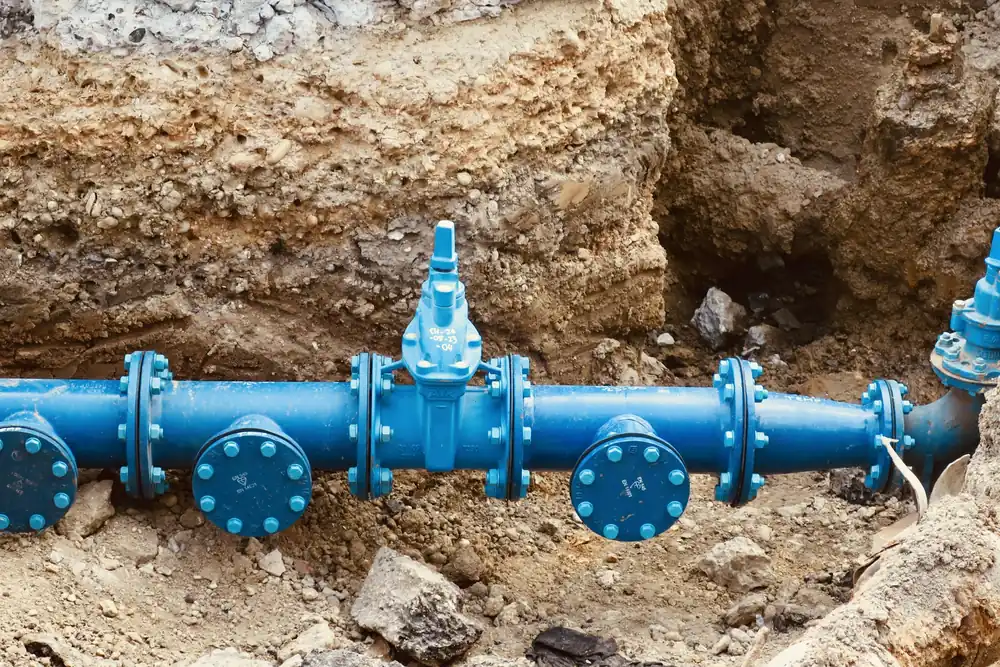
Acoustic leak detection in Varna: we listen for the leak instead of digging up the floor
Water escaping from a pipe under pressure makes a sound, and that sound travels along the pipe. We pick it up with ground microphones, contact sensors and a correlator and mark the spot on the surface, so only that spot needs opening. Every day 06:00–23:00 in Varna and along the coast.
Our clients on video · all videos (in Bulgarian)
Acoustic leak detection finds a hidden water leak by listening to it: water escaping from a pipe under pressure makes a sound, and ground microphones, contact sensors and a correlator turn that sound into a spot marked on the floor or the ground. It works best on pressurised pipes — the supply pipe in the yard, a cold-water line under a screed, a buried pipe too deep for a thermal camera — and often means no digging until the spot is known. Acoustic leak detection in Varna starts from €36; combined diagnostics with a written report are from €55. We work every day 06:00–23:00. Call +359 52 993 333 or email info@kanalvarna.com — write to us in English and we reply in English. You pay after the job, in cash, by card or by bank transfer.
Updated November 2026How acoustic leak detection works
When water escapes from a pipe under pressure — through a crack, a loose joint or a corroded spot — it makes a sound. That sound runs along the wall of the pipe and spreads into whatever surrounds it: soil, concrete, screed. Acoustic leak detection is simply listening for that sound with the right instruments and working out where it is loudest.
- Ground microphones are placed on the pavement, the floor or the soil and pick up vibrations from the pipe below.
- Contact sensors are fixed on taps, valves, manholes and fittings and listen to the pipe itself. They are more sensitive than a microphone on the ground.
- A correlator uses two sensors, one at each end of a section of pipe. It measures the difference in the time the sound takes to reach each sensor and calculates the distance to the leak.
- Frequency filters remove traffic, wind and building noise, so that the sound of the leak is easier to isolate.
In good conditions, on a metal pipe, the spot can be marked to within about 10 cm. How well it works depends on the pipe material, the depth and the background noise. Metal pipes carry the sound much further than plastic ones, so a steel or copper line is usually easier than a plastic one.
Acoustic or thermal camera: which one do you need?
This is the question we hear most. A thermal camera sees temperature differences on a surface; an acoustic detector hears the leak itself. Neither is better in every case. The honest answer is that it depends on where the pipe is and what is in it.
| Situation | Acoustic | Thermal camera |
|---|---|---|
| Pressurised supply or yard pipe | Works well — constant pressure gives a clear sound | May show nothing if the ground is dry or the temperature difference is small |
| Pipe buried deeper than 50–60 cm | Sound travels along the pipe wall, so depth matters less | Loses sensitivity — the heat spreads out in the soil |
| Hot water, radiators, underfloor heating | Medium | Usually the better choice — see underfloor heating leaks |
| Leak under bathroom or kitchen tiles | Possible, but rarely the first choice | Usually more effective — it shows the wet area |
| Drains without pressure | Weak — there is no constant pressure to make a sound | Not the main tool either; a CCTV drain survey is |
In practice we often use both: the acoustic method narrows the search along the pipe, and a thermal camera or moisture meter confirms the spot. If you are not sure which one you need, describe the symptoms and we choose on site. Our leak detection page explains all the methods. Ultrasonic leak detection is a different tool: it hears very high-pitched sound close to the leak and suits valves, fittings and pipes in walls, while the acoustic method follows a long or buried pipe.
What happens on the day
- We ask what you have noticed. A high water bill, a meter that turns with all taps closed, a wet patch, the sound of running water. A photo of the water meter and its location helps.
- We agree the price. Once you have described the job, we confirm the price before we start. Nothing begins until you agree.
- Survey of the pipe route. We find out where the pipes run and which points we can reach — taps, valves, the meter manhole.
- Listening along the route. With a ground microphone we walk the route systematically, stopping every metre or two, and mark the places where the sound is stronger.
- Correlation. On a doubtful section we put one sensor at each end. The correlator calculates the distance to the leak.
- Marking and report. We mark the spot on the floor or the ground and give you a written report with the position of the leak and our recommendation for the repair.
A standard survey usually takes 30–60 minutes of work; long routes or complicated sites take longer, up to about two hours, and you hear the result on site. You do not have to shut off the water in advance, but it helps if nothing in the property is using water while we listen — a quiet building makes the leak easier to hear. We tell you when we can come once we have spoken.
Tell us what the water meter does and where you notice the damp — we tell you the price before we start and when we can come.
📞 +359 52 993 333Where acoustic detection struggles
No method works everywhere, and it is better that you know the limits before you book.
- Plastic pipes absorb sound, so the range and sensitivity are lower.
- Noise from traffic, building work or wind makes listening harder. In busy parts of the city we prefer quiet hours, early in the morning or late in the evening.
- A very small leak — a drip without pressure — may be too quiet to hear.
- Pipes without pressure, such as drains, give a weak signal. A camera is the right tool there.
- Sandy soil absorbs vibration faster than clay.
In these cases we combine the acoustic method with a thermal camera, ultrasound or a moisture meter. If it turns out that the problem is a blocked or leaking drain and not a water pipe, see our blocked drains page.
In a block of flats, in a house, in the yard
Block of flats. Thin walls carry sound from the flats next door, and the water risers — the vertical supply pipes — connect the floors. So we isolate one flat at a time by shutting off the water floor by floor, and contact sensors on the riser help us tell which floor the leak is on. You can pass our written report to the building manager (the domoupravitel) or to the neighbour concerned.
House and yard. A long, straight pipe in the ground is a good case for a correlator: the signal is clear and the position can be narrow. Leaks are most often at joints, at bends and where the pipe enters the building. A water meter that turns with every tap closed is the usual sign. More on this in underground water leaks in the yard.
Larger sites. For hotels, offices and apartment complexes with a branching network we can leave recording devices (loggers) at key points overnight, when nobody is using water and any sound in the pipes comes from a leak.
If you are not in Bulgaria
Many of the people who write to us in English own a flat or a house near Varna and live abroad; others rent and write to their landlord first. You do not need to be there. Send us the address and the name and phone number of the person who can open the door — a property manager, a neighbour, a cleaner or the tenant — and we arrange the visit with them.
A photo of the water meter, taken with the taps closed, and a short video of the wet patch or the meter wheel turning tell us a lot before we come. After the visit we let you know what we found, and you can pay by bank transfer. If the problem may become an insurance claim, ask for a written report for your insurer when you book. For a flat that stands empty for months, a property check can catch a leak before it spreads; damp and mould after a leak are covered on our mould and damp page.
What acoustic leak detection costs
Acoustic leak detection starts from €36. Combined diagnostics — acoustic, thermal camera and moisture meter, with a written report — start from €55. Fixing the leak once we have found it is from €40. The final price depends on the length of the route and the number of points to check, and we confirm it before we start. You pay after the job in cash, by card (Visa, Mastercard) or by bank transfer, and we issue an invoice on request. Everything is on our price list.
Frequently asked questions
What is acoustic leak detection?
It is a method that finds a leak by listening to it. Water escaping from a pressurised pipe makes a sound; ground microphones, contact sensors and a correlator pick it up and show where it comes from. It usually needs no digging until the exact spot is known.
How much does acoustic leak detection cost?
From €36. Combined diagnostics with a written report are from €55. We confirm the price before we start, after you have described the job. See the price list.
How accurate is it?
In good conditions the spot can be marked to within about 10 cm. Metal pipes give the best result; plastic pipes, deep pipes and noisy places reduce it. Where the acoustic result is not precise enough, we narrow the search with another method.
Does it work on plastic pipes?
Yes, but with less range and sensitivity, because plastic absorbs sound. We then add a thermal camera, ultrasound or a moisture meter.
Do I need to turn the water off?
You do not have to, but it helps. If nothing in the building is using water, the sound of the leak is clearer and the result more precise.
I'm not in Bulgaria. Can you still deal with it?
Yes. Send us the address and the contact of whoever can let us in — a manager, neighbour or tenant. We arrange the visit with them, let you know what we found, and you can pay by bank transfer.
Can I contact you in English?
Yes — write to us in English by email at info@kanalvarna.com or through the form on this page, and we reply in English. The phone number is +359 52 993 333.
Suspect a hidden leak?
Tell us what the water meter does and where you notice the damp — we tell you the price before we start and when we can come.
📞 +359 52 993 333or email info@kanalvarna.com — write in English and we reply in English.
Send us a message
Leave your name and a phone number with the country code. Add your email if you prefer a written reply — write in English and we reply in English. We confirm the price before any work starts.