Legionella testing in Varna for hotels and guest houses
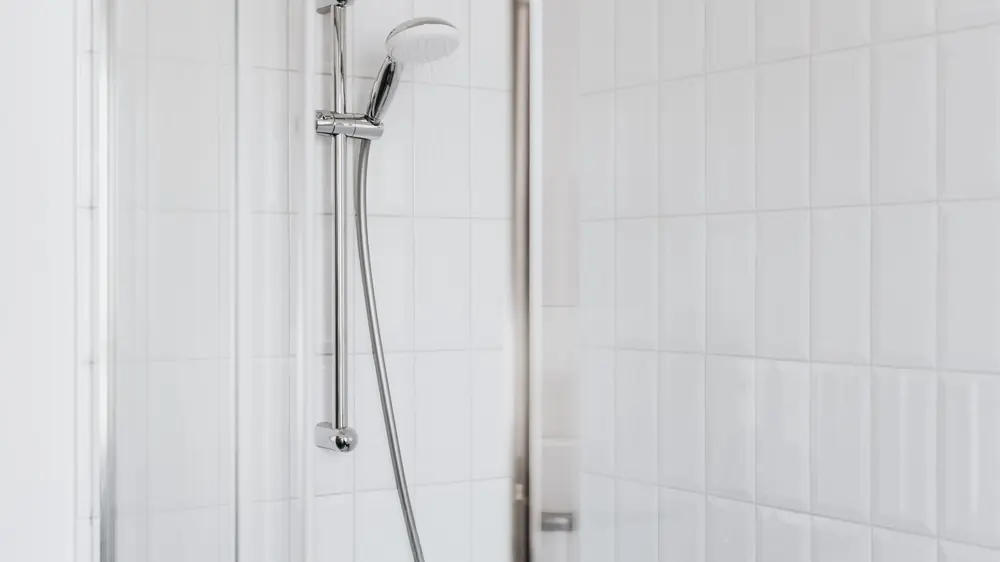
A hotel, a guest house or an apartment complex before the season. We measure the hot-water temperature point by point, clean and disinfect the water heaters, flush the stagnant branches and arrange the legionella sample with an accredited laboratory.
Our clients on video · all videos (in Bulgarian)
Legionella testing in Varna is for hotels, guest houses and shared water heaters. We measure the temperature at the water heater outlet, the return line and the furthest shower, clean and disinfect the water heaters, flush dead branches and arrange the legionella sample with an accredited laboratory; who takes the sample is agreed with the laboratory. The laboratory issues the official document; our report of temperatures is not a test report. We do not sign the risk assessment for you. This page belongs to home testing. Call +359 52 993 333 or e-mail info@kanalvarna.com - write to us in English and we reply in English.
Updated November 2026Legionella testing in Varna: who needs it and what it involves
Legionella bacteria grow in lukewarm, standing water and in the sludge at the bottom of water heaters. Bulgarian rules treat hotels, guest houses and other accommodation in the two upper categories of the tourism law (classes A and B) as priority buildings: the owner or manager draws up a monitoring plan, agreed with the Regional Health Inspectorate (RZI), and legionella is tested under it. Rooms and apartments for guests (class C) are not on that list, so checking them before the season is your own decision.
| Property | In the priority list? | What it means |
|---|---|---|
| Hotels, apartment complexes, holiday villages (class A) | Yes | A risk assessment, a monitoring plan agreed with the RZI and samples |
| Family hotels, hostels, guest houses, bungalows, campsites (class B) | Yes | The same; a small property is not excused |
| Guest rooms and guest apartments (class C) | No | A check before the season is your choice |
| A shared water heater room in a block of flats | No | A decision for the owners' association; a check shows whether hot water reaches the top floors |
The limit below 1,000 CFU per litre: what the number in the document means
The Bulgarian limit for Legionella is below 1,000 CFU per litre. CFU means colony-forming units: how many live bacteria from the sample managed to form a colony in the laboratory's dish. The bacterium grows slowly, so the result takes time; the laboratory gives the timescale when you order.
- Not found. The system was within the limit on the day of the sample. You carry on with the plan: temperatures, flushing, the next sample.
- Found, but below the limit. Still within it, yet corrective action is expected even at a lower value. For us that is a cue to look at the point the sample came from: temperature, standing water, sludge in the water heater.
- 1,000 CFU per litre or more. The owner informs the RZI and follows the measures the health authorities recommend. Cleaning, thermal disinfection, flushing and then a control sample usually follow.
We do not read the document as a verdict. We show the number against the limit, the point it came from and the temperatures we measured there, so you can see where to start. What a result means for a guest's health is a question for a doctor and the authorities.
The temperature check, point by point
The first thing we find is where in the installation hot water stops being hot. The Bulgarian rules give no temperatures; the guide values come from European guidance for accommodation: hot water circulating at 50 to 60 °C throughout, cold water below 20 °C. In practice that means 60 °C or more at the water heater outlet and 50 °C or more on the return line.
| Point | What we look at | Guide value |
|---|---|---|
| Water heater outlet | Temperature of the water entering the system | 60 °C or more |
| Return line of the circulation | Temperature of the water coming back | 50 °C or more |
| Furthest shower or tap on each riser | How far hot water reaches and how long it takes | 50 °C or more after the tap has run for a minute |
| Cold water at the same points | Whether it is warmed by hot pipes next to it | Below 20 °C |
| Dead branches and rarely used rooms | Standing water and the time to refresh it | No standing water: flush or remove the branch |
| Bottom of the water heater | Sludge and the temperature in the coolest zone | No sludge |
We use a contact thermometer and an immersion thermometer, time how long hot water takes to arrive at each point, and show you the numbers as we go. We also check the hot-water circulation pump and the water heater thermostats. You then receive a report: a table of points, temperatures and times, what meets the guide values and what does not, and what we suggest. That report is not a test report; the laboratory's document is.
Cleaning and disinfecting water heaters, flushing the system
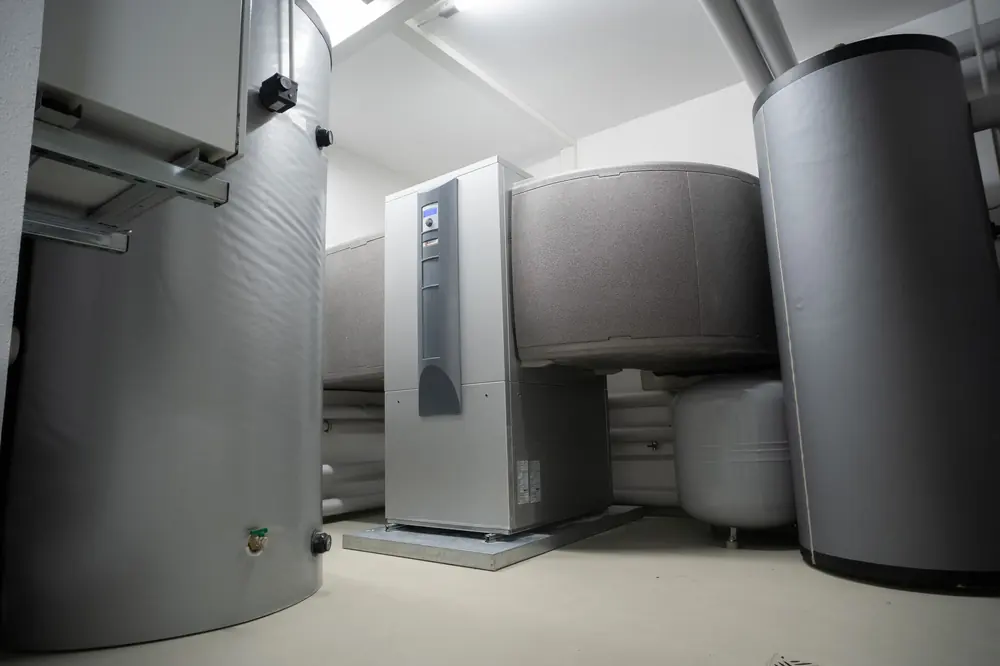
Varna water is hard, so limescale and sludge collect at the bottom of the water heaters, and the bacteria can hold on there even with the thermostat set correctly. When the temperatures show weak spots, or the system has stood all winter, the work is:
- emptying and cleaning the water heaters: we drain, open the flange, remove sludge and scale, and check the element and the anode;
- thermal disinfection: raising the water heater temperature above 70 °C and running the hot water through every tap and shower, room by room;
- chemical disinfection where thermal is not possible, for example on pipes that do not tolerate high heat, with a product approved for drinking water, followed by flushing;
- descaling or replacing shower heads and aerators;
- flushing dead branches and rarely used rooms, and proposing that needless branches be removed, which is plumbing work we do.
During thermal disinfection the water at taps and showers is above 70 °C, so we work in rooms without guests, before opening or at hours agreed with reception, and we mark the bathrooms in use. For a single flat or house, see water heater repair.
Tell us how many rooms and floors it has, how many water heaters and whether the hot water circulates. We give a quotation after a short look or from photos.
📞 +359 52 993 333The legionella sample and the accredited laboratory
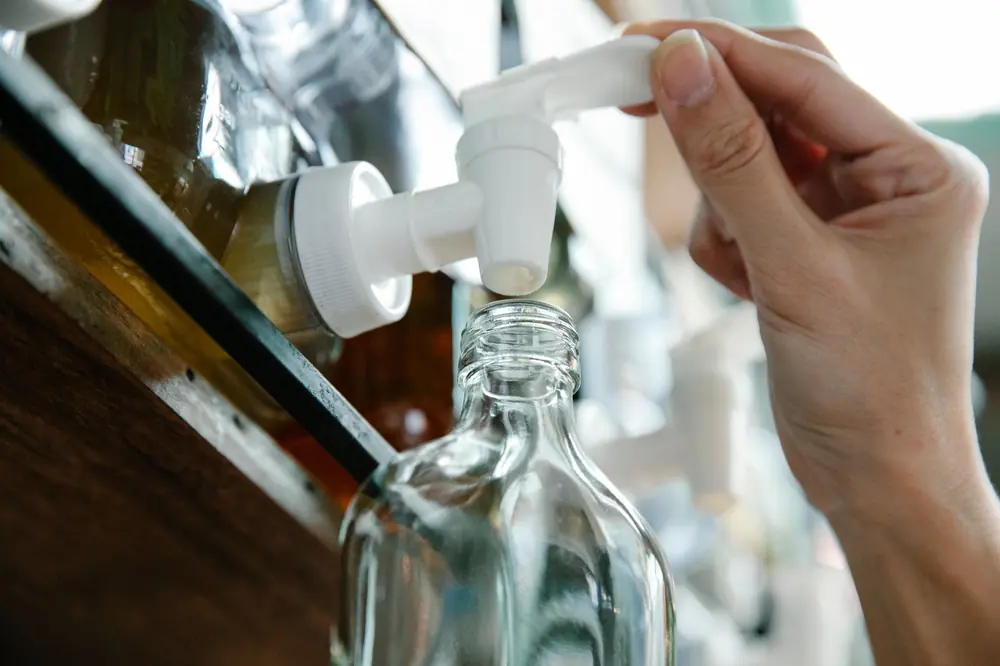
The sample is tested in an accredited laboratory with the right scope for legionella. We arrange it: we choose the laboratory, agree the day and the points, arrange access and prepare the system. Who takes the sample, a member of the laboratory's staff or someone following its instructions, we agree with the laboratory beforehand. The laboratory issues the test document in the name of the property, and you attach it to your monitoring.
- Points. Set in the plan. Usually the water heater outlet, the return line and the furthest shower on a riser; one per riser if there are several.
- Day. The sample should show the normal state of a working system, not the day of disinfection. After disinfection the control sample follows the laboratory's instructions.
- Price and timescale. The analysis is at the laboratory's price, which we tell you beforehand and include in the quotation; the laboratory gives the timescale.
The monitoring plan: where we help
The plan is a document of the owner or manager. Part of it is technical, and we know that part from the inspection, so we prepare it:
- a diagram of the installation: water heaters and volumes, risers, circulation, solar system, dead branches;
- a list of sampling and temperature points, with the reason for each;
- a table for temperature records that your staff fill in on the plan's schedule;
- a log of disinfections: date, method, temperature, who did it.
We do not work on cooling towers, decorative fountains or humidifiers. If a contractor already runs the temperatures, disinfection and samples under an agreed plan, we do not duplicate them. If the RZI has given instructions, the authorities decide the measures; we can carry out the cleaning, disinfection and flushing to them and arrange the control sample.
Before the season: Varna and the resorts near Varna
A seasonal property means water that has stood in the pipes from autumn to spring. The best order, ideally in spring before the first guests, is: flush all points, clean and disinfect the water heaters, check the temperatures, and take the sample when the system is running normally. We work in Varna and the resorts near Varna; year-round hotels in Varna we can check at any time, and the day is agreed by phone. We take calls every day from 06:00 to 23:00.
Hotels often add a camera inspection of the drains before the season: see blocked drains for hotels and guest houses. For water from your own well there is water testing. If you live abroad, e-mail a diagram or photos of the plant room to info@kanalvarna.com and tell us who will open the door: the manager, a caretaker or whoever holds the keys.
What the price of legionella work depends on
The price depends on the number and volume of the water heaters, the number of risers and points, whether hot water circulates, whether there is a solar system and whether disinfection is needed. We give it after a short inspection or from a description and photos. We issue an invoice to the company or the owner, payable by cash, card or bank transfer. The laboratory's analysis is at its own price.
Frequently asked questions
Is legionella testing compulsory for a guest house?
Bulgarian rules include guest houses, as accommodation in class B, among the priority buildings where legionella is monitored under a plan agreed with the RZI. Guest rooms and apartments (class C) are not on that list. We give no legal advice; the RZI is the place to confirm your own case.
What is the permitted level of legionella in water?
The Bulgarian limit is below 1,000 CFU per litre. Even below it, corrective action is expected if the bacteria are found, and at 1,000 or more the owner informs the RZI and follows the measures the authorities recommend.
How often should a hotel test its water?
There is no single figure for all properties: how much monitoring is needed follows from the risk assessment and is written into the plan agreed with the RZI. For a seasonal property we suggest the first sample before opening, once the system is cleaned and running normally.
What temperature should a water heater be to prevent legionella?
The guide values from European guidance for accommodation are hot water circulating at 50 to 60 °C: 60 °C or more at the water heater outlet, 50 °C or more on the return line, and cold water below 20 °C. For a single home, see water heater repair.
Is your report accepted by the RZI?
No. Our report gives measured values against the guide values and shows where the problem is, but it is not a test report. The document for the monitoring is the one from the accredited laboratory, which we arrange together with the sample.
Getting a hotel or guest house ready for the season?
Tell us how many rooms and floors it has, how many water heaters and whether the hot water circulates. We give a quotation after a short look or from photos.
📞 +359 52 993 333or email info@kanalvarna.com — write in English and we reply in English.
Send us a message
Leave your name and a phone number with the country code. Add your email if you prefer a written reply — write in English and we reply in English. We confirm the price before any work starts.