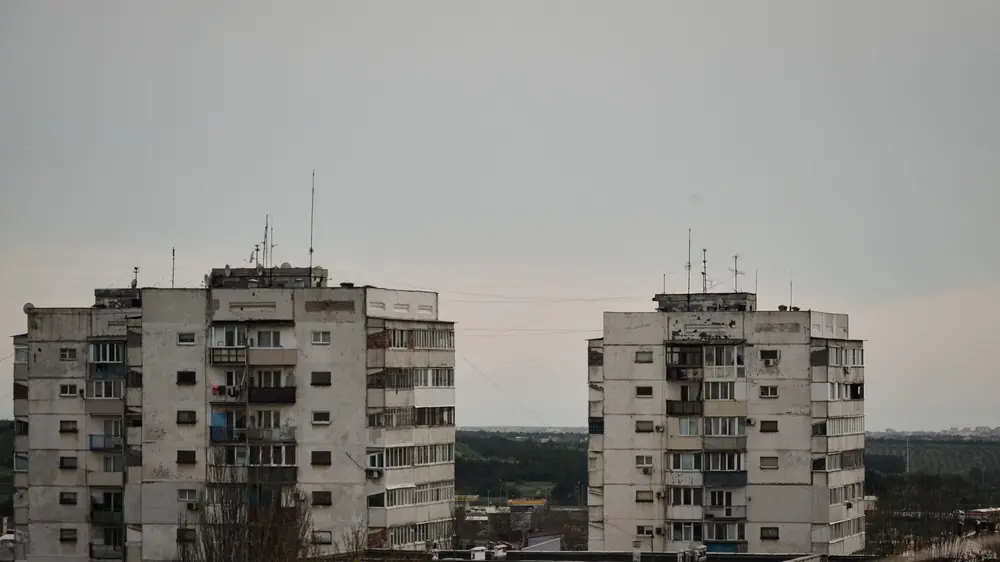
Blocked drains in a block of flats in Varna: from the flat to the manhole outside
Nobody on your staircase can use water, or the manhole in front of the building is overflowing? We find the plug, tell you which part of the drain it is in and who usually deals with that part, clear it without breaking anything, and invoice whoever you name.
Our clients on video · all videos (in Bulgarian)
We clear blocked drains in blocks of flats in Varna wherever the plug sits, from the trap in a flat to the manhole in front of the building, with a spiral through a hatch, manhole or trap and no wall-breaking. A soil stack is from €59, the main drain from a manhole from €69, and a CCTV camera from €59 if the entrance keeps blocking. We tell you which part of the drain the plug is in and who usually deals with it; who pays is for the owners to decide. Call +359 52 993 333 or email info@kanalvarna.com — write to us in English and we reply in English. We work every day from 06:00 to 23:00.
Updated November 2026Blocked drains in a block of flats: what belongs to the flat and what to the building
The first question with any blockage in a block is which part of the drain the plug is in: the flat, the vertical stack, the cellar or the manhole outside the entrance. We remove it with a spiral through the nearest opening, without breaking walls. The part also tells you who usually orders the work, the flat's owner or the building's owners' association (all the owners of the flats, usually run by a building manager or a management company). A Bulgarian block is divided into entrances (vhod), each with its own stairwell, stacks and cellar, so a blockage usually affects one entrance.
Shared parts of the building. For the drain, these are usually the vertical stacks, the pipe in the cellar, the hatches on them and the line to the manhole in front of the building. The branch inside a flat, from the trap to the stack, normally belongs to the flat's owner. This is common practice, not legal advice.
This page maps the drains of the whole building, for building managers, treasurers, management companies and the neighbour who first found water on the floor. How a blocked stack behaves is on its own page: blocked soil stack. A house, yard or office is on the blocked drains page.
The water's route from the flat to the street
- Trap in the flat — under the sink, bath or shower. The owner's; we clear it through the trap or the toilet bowl.
- Branch pipe — from the trap to the shared pipe, in the wall or under the tiles. Normally the owner's.
- Stack — the kitchens or bathrooms of flats one above another flow into it. Usually shared.
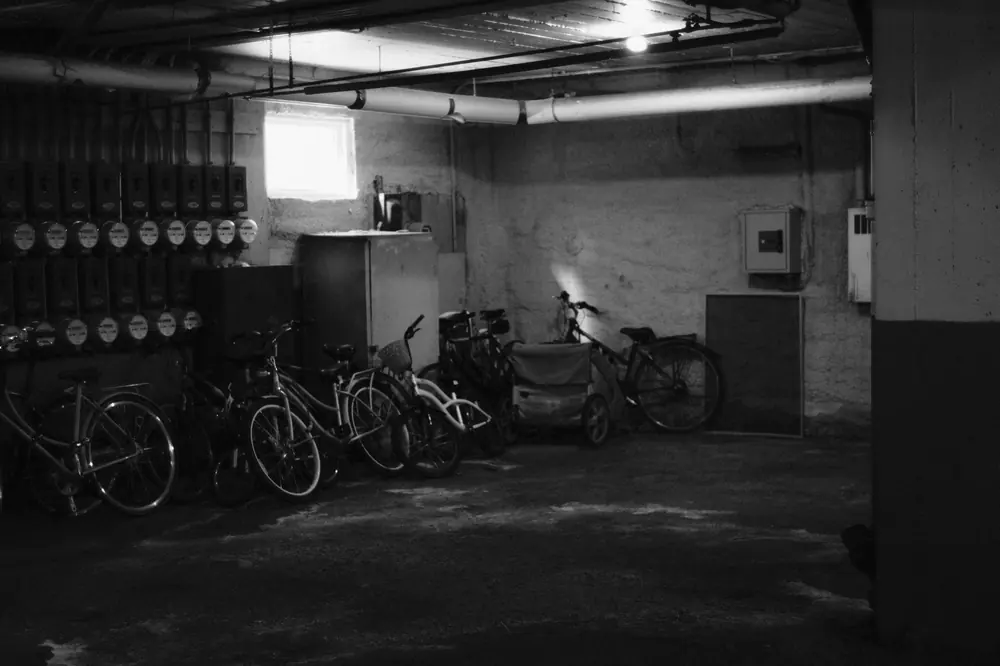
- Cellar pipe — collects all the stacks of the entrance. Usually shared; a blockage hits the ground floor first.
- Inspection hatches — screwed covers on the stacks and the cellar pipe, our way to the plug without breaking anything. If they are walled up or buried, the work takes longer.
- Yard line and manhole — from the building wall to the manhole in front of the building, normally part of the building. We send the spiral back towards the building from the manhole.
- Street sewer — after the manhole. This is the network of the water company, ViK Varna; we do not work there.
Where the water appears is rarely where the plug is, so on the phone we also ask who is dry. See why a drain backs up into another fitting.
Where the plug is and who usually calls
| What you see | Likely place of the plug | Who usually calls, and what we do |
|---|---|---|
| Only one flat is slow, the neighbours are fine | That flat's trap or branch | The owner; we clear via the trap or toilet |
| Water rises in a neighbour's flat when the flat above uses water | The stack, just below the neighbour's connection | The neighbour or building manager; we go in from the hatch |
| Water on the ground floor or in the cellar, upper floors drain | Cellar pipe or its outlet to the yard | The building manager; we work from the cellar hatches |
| Manhole outside is full, wet around the cover | Manhole outlet or the line beyond it | The building manager; we see which way the plug lies |
| Backs up in the shop, hairdresser or restaurant on the ground floor | Their connection to the cellar pipe, or the pipe itself | The tenant or building manager, depending on the part; we say so on site |
A big blockage: the main drain from the cellar to the manhole
The hardest calls are about the main drain — the pipe that collects the stacks in the cellar and leads to the manhole outside. When it blocks, water from the whole entrance looks for the lowest place: the cellar, the garages, the lift shaft or the shop on the ground floor.
For these runs we use a machine whose spiral goes up to 30 m into the pipe, enough for the line from the cellar to the manhole in most blocks. We go in through the cellar hatch or from the manhole and then look at the pipe with a camera. The main drain from a manhole is from €69. If sewage has reached the cellar, a garage or the lift shaft, we first get the water out (a sewage tanker is arranged with partners if needed), and then clear the main drain.
If the manhole is full but the cellar is dry, the plug is beyond the manhole. If it is in the building's section, we clear it; if it is in the street sewer, we tell you on site and it has to be reported to ViK Varna. Water that comes back into the cellar only in heavy rain may be the street sewer overflowing: see non-return valve.
The ground floor and renovations: two causes nobody thinks of
When the cellar pipe blocks, neighbours look for the culprit along the stacks, and it is often elsewhere. A shop, hairdresser or restaurant on the ground floor is usually connected to the same cellar pipe: grease from a restaurant sets in the cold section and narrows the pipe for the whole entrance. See restaurants and bars.
The second cause is renovation. Tile adhesive, grout, plaster or gypsum poured down a toilet does not dissolve; it settles in the bend at the foot of the stack or in the cellar and hardens, and it can be weeks before the lowest flats notice. If someone in the entrance is renovating, ask the builders to bag their leftovers. Wet wipes, cat litter and cotton wool gather where the pipe turns.
Tell us the floor where the water comes out, who is dry and who unlocks the cellar — we tell you which part of the drain it is, the price before we start and when we can come.
📞 +359 52 993 333When the entrance keeps blocking: what the camera shows
If the pipe blocks again, after clearing we send the camera through it. It shows where the plug comes from and what state the pipe is in, and the picture is on the screen, so the manager can come down to the cellar and watch with us. See CCTV drain survey.
Sediment, wipes and leftovers need only clearing. A cracked, sagging or displaced section is a repair, which we can carry out with craftsmen we work with once the camera has shown the place; we give you the price before we start. For entrances that block often, we can agree regular checks, for example before the autumn rains.
Who pays in a block of flats
Who pays usually follows whose part it is: the branch of a flat belongs to the owner, the shared parts to the owners' association. That is why we tell you exactly where the plug was. How the cost is split is for the owners' association to decide, so ask the building manager.
If the plug came from one flat — a rag, a piece of a plaster sack — we show you what we took out and from which part. Whether a neighbour covers the cost is for the owners. This is how it is usually handled, not legal advice; in a dispute, ask a lawyer.
How to organise the unblocking for the entrance
- One call. The manager, or the neighbour where the water came out, gives us the address and entrance, who is affected and who unlocks the cellar. A photo of the manhole helps.
- A note for the neighbours. While we are on our way, put up a note: no showers, washing machines or flushing — otherwise the water comes out in the flat below.
- Key and hatches. Someone unlocks the cellar and shows us the hatches; clear any clutter in front of them.
- Unblocking and test. We clear with a spiral through the hatch, manhole or trap, then ask the upper floors to run water and check the pipe takes it.
- Invoice. We tell you what we found and in which part. The invoice goes to whoever you name; you can pay by bank transfer, card or cash after the job.
Most blockages take 15–30 minutes of work on site. A long cellar run or old cast iron takes longer; we tell you how long once we see the pipe. When you call, we tell you when we can come. We work every day from 06:00 to 23:00 and do not go out after 23:00.
A notice for the entrance: what must not go down the drain
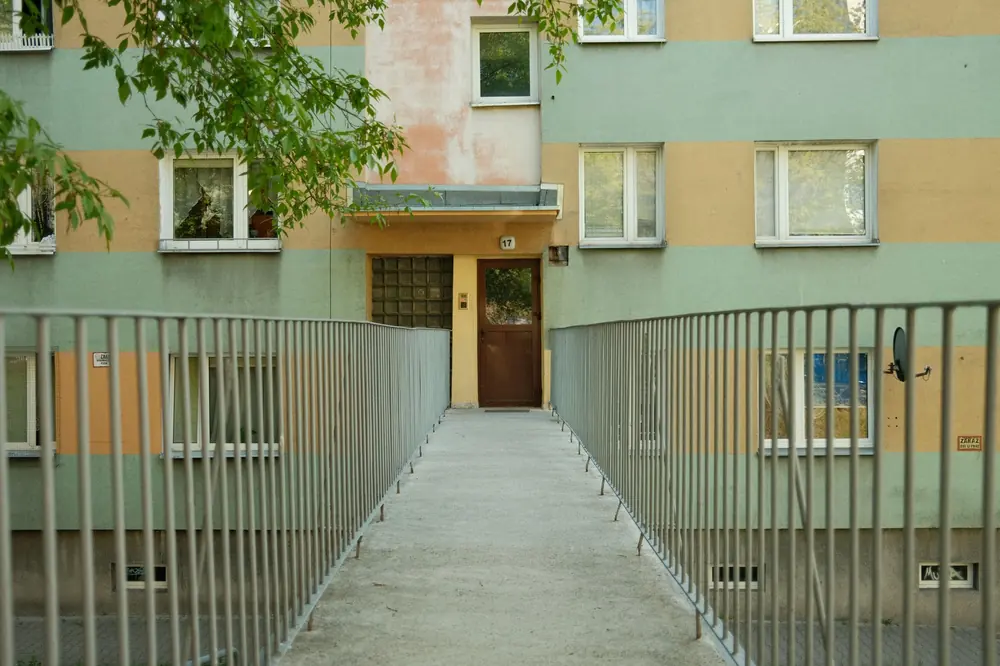
- Wet wipes, sanitary products, cotton wool, cotton buds: in the bin, even if the pack says they break down.
- Cat litter: in a bag; in water it swells and blocks.
- Cooled fat from pans, coffee grounds, rice, pasta: in the bin, not the sink.
- Adhesive, grout, plaster, paint: never down the toilet; leftovers in a bag.
Add the building manager's phone number, so people know whom to tell.
If you own a flat here and are not in Bulgaria
You do not have to be in Varna to deal with this. Email us the address, entrance and floor, a photo of the water if there is one, and the name and phone of whoever can open the flat and the cellar: the building manager, a neighbour or your property manager. We arrange the visit with them, let you know what we found and in which part of the drain, and you can pay by bank transfer.
Frequently asked questions
Can one neighbour call you without a decision of the owners' meeting?
Yes. We come when anyone affected calls: the building manager, a board member or the neighbour on the lowest floor. Unblocking does not wait for a meeting. Whether the association refunds that neighbour is for the owners to decide, so keep the invoice and the photos from the day and give the manager what we found.
Who pays — me or the building?
Usually the branch in your flat is yours and the shared parts are a matter for the owners' association. We do not decide who pays: we tell you where the plug was, and the building manager takes it from there. Prices are on our price list; we give you the price before we start.
I'm not in Bulgaria. Can you still deal with it?
Yes. Send us the address and the name and number of whoever can let us into the flat and the cellar. We arrange the visit with them, let you know what we found and what we did, and you can pay by bank transfer.
Can I contact you in English?
Yes — write to us in English by email at info@kanalvarna.com or through the form on this page, and we reply in English. The phone number is +359 52 993 333. If you write after 23:00, we reply from 06:00.
Related pages
All types of blockage and the general prices Blocked soil stack
How the shared vertical pipe blocks CCTV drain survey
When the entrance keeps blocking Restaurants and bars
When there is a restaurant on the ground floor Blocked manhole
When the manhole in front of the building is full
A blockage somewhere in the entrance?
Tell us the floor where the water comes out, who is dry and who unlocks the cellar — we tell you which part of the drain it is, the price before we start and when we can come.
📞 +359 52 993 333or email info@kanalvarna.com — write in English and we reply in English.
Send us a message
Leave your name and a phone number with the country code. Add your email if you prefer a written reply — write in English and we reply in English. We confirm the price before any work starts.