Blocked soil stack in a Varna block of flats: the shared pipe, the cellar and who orders the work
Water comes up in your bath or toilet when someone upstairs uses water? That points to the shared soil stack, not your own trap. We clear it through the inspection hatch, the cellar or the manhole outside the building, without breaking walls, every day from 06:00 to 23:00.
Our clients on video · all videos (in Bulgarian)
A blocked soil stack in a Varna block of flats shows itself when water rises in your bath, shower or toilet while someone in a flat above is using water. We clear the stack through its inspection hatch, the pipe in the cellar or the manhole outside the building, with no wall-breaking. A soil stack is from €59, and a CCTV camera is from €59 if it keeps coming back. Ask the neighbours above to stop using water and call +359 52 993 333 or email info@kanalvarna.com — write to us in English and we reply in English. We work every day from 06:00 to 23:00, and we invoice whoever you name.
Updated November 2026Blocked soil stack: is it the shared pipe or only yours?
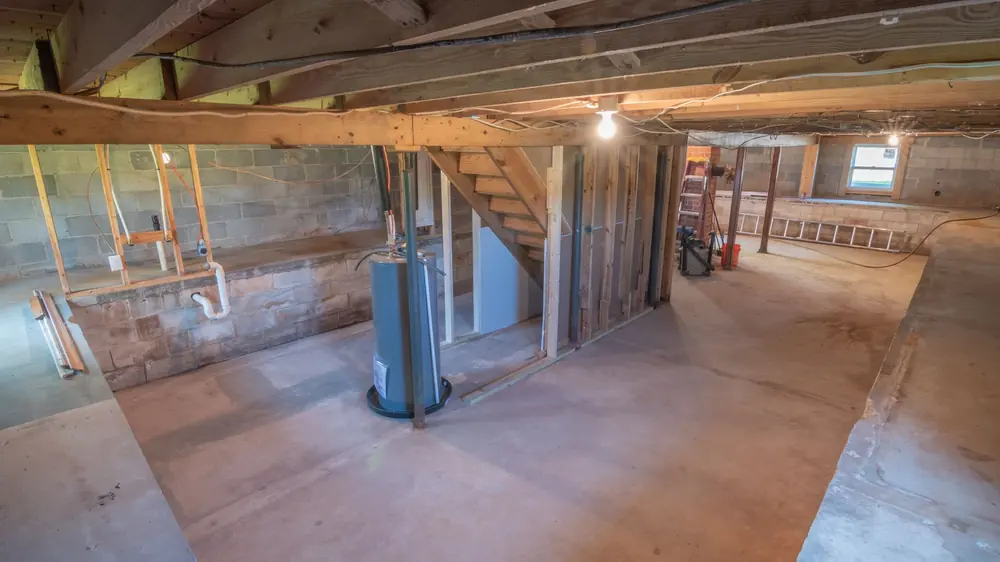
The soil stack is the vertical drain pipe that runs down through the building. Your kitchen, or your bathroom and toilet, is connected to it, together with the flats above and below. In the cellar it joins a horizontal pipe that leads out to the manhole in front of the building. Other blockages are on our blocked drains page.
The test: if water comes up in your flat while you are not using anything but someone upstairs is, the stack is blocked below the point where your flat connects to it. If only your own sink or bath is slow and the neighbours have no complaints, the plug is in your flat's own branch pipe. That decides which opening we use and who usually orders the work.
Water from a blocked stack does not come out where it was poured. It falls to the plug, rises back and leaves by the lowest opening above it — usually the bath, floor drain or toilet of the flat just above the plug. The people upstairs notice nothing while the flat lower down is mopping the floor. The same rule works inside one flat — see why a drain backs up into another fitting.
Kitchen stack, bathroom stack, cellar pipe: what blocks where
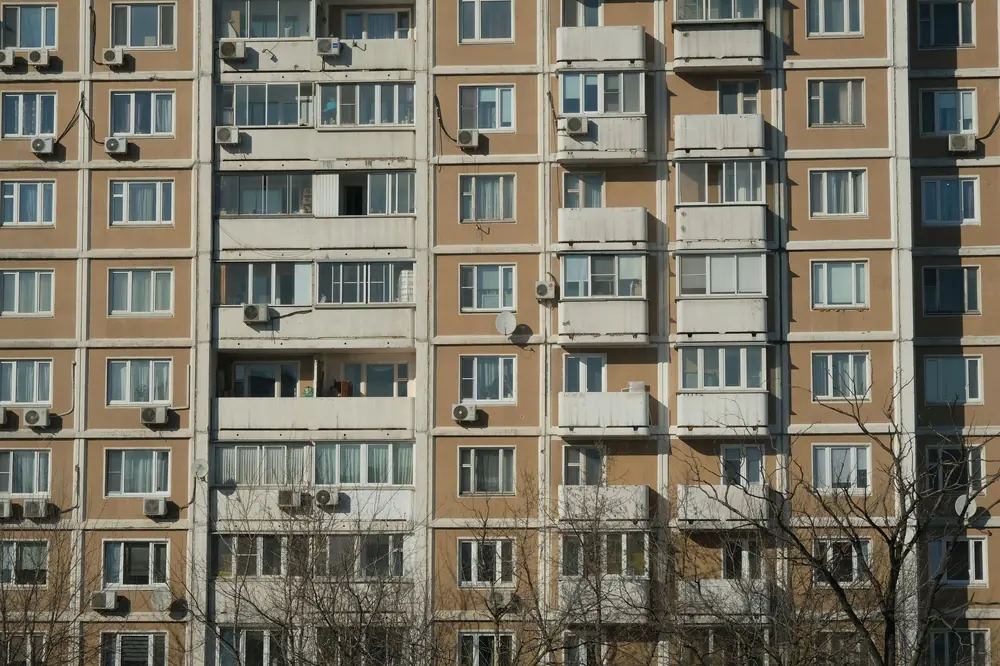
In Bulgarian panel blocks, kitchens and bathrooms are often on separate stacks, so a blockage usually affects only one of them. Everything meets in the cellar.
Kitchen stack
Often narrower, and it collects grease from every kitchen above the plug. The grease hardens, so the stack first slows, then backs up in the lowest flat above the plug — especially when someone upstairs empties a washing machine.
Bathroom and toilet stack
Wet wipes, hair and anything flushed end up here, usually in the bend at the bottom. If only your toilet is blocked and everything else runs, it is not necessarily the stack: see blocked toilet.
Horizontal pipe in the cellar
Every stack serving that entrance (Bulgarian blocks are split into entrances, each with its own stairwell) flows into it, and the fall is shallow, so sediment settles. A blockage here hits the ground floor and first floor first. For a long run we use the machine with the longer spiral.
Where and when the water appears tells us where the plug is
| What you see | Likely cause | What we do or what you do |
|---|---|---|
| Water rises in the bath or toilet when the flat above uses water | Stack blocked below where your flat connects | Neighbours above stop using water; we clear from the nearest hatch |
| Water on the ground floor, upper flats drain fine | Plug at the bottom end of the stack or in the cellar pipe | We work from the cellar — we need the key |
| Water in the cellar around the hatch | Horizontal pipe blocked | Do not open the hatch yourself; we also check the outlet to the manhole |
| Several entrances affected, or the manhole outside is full | Blockage beyond the manhole, towards the street | We see which way it is; the street sewer belongs to the water utility (ViK Varna) |
| Blocks again in the same place | Sagging, cracked or old section | We look with a camera after clearing |
Hatch, cellar pipe or manhole: how we get in without breaking anything
We clear a soil stack through one of these openings, chosen on site once we see where the water comes out.
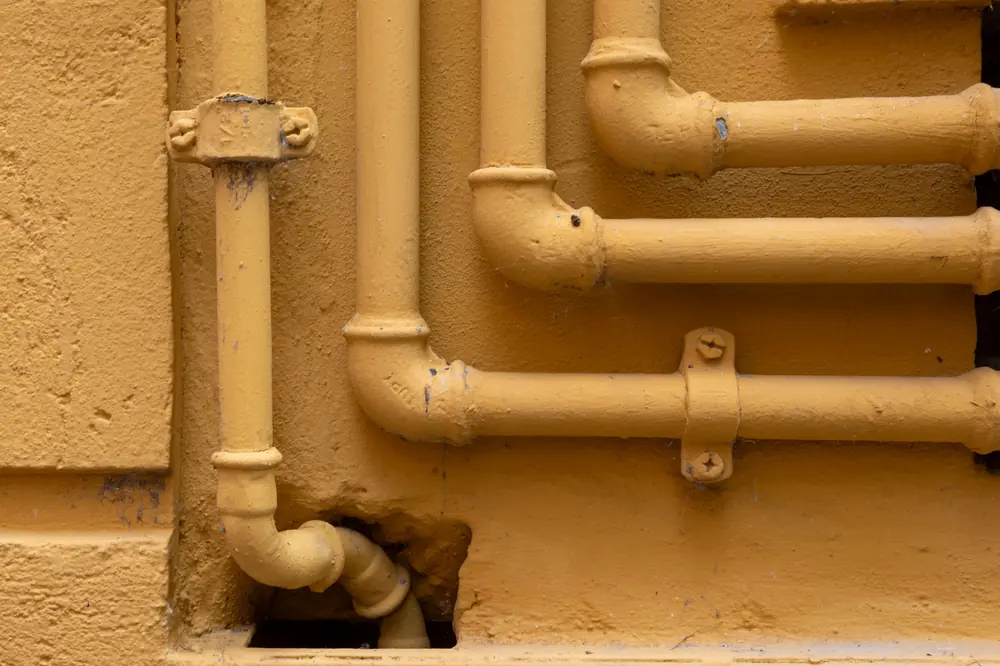
- Stack inspection hatch — a screwed cover at the bottom of the stack in the cellar, or on some floors. We open the one nearest to the plug that is not under water.
- Cellar pipe — through the hatches along it. A longer spiral goes in from here when the run is long.
- Manhole in front of the building — we send the spiral up the pipe that leaves the building. If the manhole is full, we first see whether the blockage lies towards the building or towards the street.
- A neighbour's opening — sometimes the nearest access is a toilet or hatch in the flat below.
From you we need the cellar key, a hatch we can reach and someone to warn the neighbours. If a hatch has been tiled over, we look for another opening rather than breaking the tiles on our own initiative.
Tell us the floor, whether it is the kitchen or the bathroom, and who has the cellar key — we tell you where we will work from, the price before we start and when we can come.
📞 +359 52 993 333Who orders and who pays in a block of flats
In a Bulgarian block, the owners of the flats together form the owners' association, usually run by a building manager or a management company. The soil stack and the horizontal pipe in the cellar are normally shared parts of the building, so the building manager more often orders their clearing, and the owners' association decides who pays. The branch inside a flat, from the trap to the stack, belongs to the flat's owner.
In practice it is often the neighbour whose bath is filling up who calls first — and rightly so: do not wait for a residents' meeting while the water rises. We do not judge who is at fault: we tell you what we found and where, and we invoice whoever you name. For a dispute between neighbours, ask a lawyer.
For the whole picture — which drains belong to a flat and which to the building, ground-floor shops, renovations and a notice for the stairwell — see blocked drains in a block of flats.
What to do while you wait — and what not to do
Above all, the neighbours above must stop using water: every shower and flush upstairs ends up in the lowest flat above the plug.
- Knock on the doors above you or leave a note in the entrance: no shower, washing machine, dishwasher or flushing until we have cleared it.
- Put towels and a bowl round the opening the water comes from; close the toilet lid.
- Photograph how far the water has reached and note the time — the building manager will ask for both.
- If water reaches a socket, switch off the fuse for that circuit.
What not to do: do not open the hatch while the stack is full — the water from every floor above will pour out at once. Do not pour in drain chemicals: they never reach the plug and just sit in the water in your flat. Do not poke a wire into old cast iron, where it can jam in the bend. If you have already tried something, tell us what.
How we clear a soil stack
- Questions first. The floor, kitchen or bathroom stack, where the water comes out and who holds the cellar key.
- Opening the hatch. We choose the opening closest to the blockage that is not under water. If the stack is full, the flats above must stop using water first.
- Spiral. We break the plug with a spiral; for a long cellar run, with the machine with the longer spiral.
- Test from above. The upper floors run water while we watch the hatch and the lowest flat.
- Camera if in doubt. If the blockage returns or the spiral hits something hard, we run a CCTV drain camera and tell you what we saw.
The clearing itself usually takes 15–30 minutes on site, plus opening the hatch and the final test; a long cellar run or old cast iron takes longer. Once we know the floor and where the water comes out, we tell you when we can come.
When the camera shows a repair, not a blockage
If the camera shows rusted-through cast iron, a sunken cellar run where water stands, a displaced joint, or a stone a spiral cannot shift, clearing only puts off the next blockage, and we tell you so plainly.
Then the answer is replacing the stack or a section of the cellar pipe — a separate job that may need an opening in one place, decided after the camera. We give you the price before we start, once you have described the job or sent photos. If the plug lies beyond the manhole, in the street network, it is for the water utility.
If you own a flat here and are not in Bulgaria
Owners abroad usually hear about a blocked stack from someone else: the neighbour below, the cleaner or a guest finds water in the bathroom. You do not need to be here. Email us the address, entrance and floor, and the name and number of whoever can open the flat and the cellar — a neighbour, the building manager or your property manager.
After the job we let you know what we found, where the plug was and what we did. You can pay by bank transfer; just tell us whose name should go on the invoice. If the flat stands empty for months, a property check can catch this early.
Frequently asked questions
How much does it cost to clear a soil stack?
From €59. The price depends on which opening we can use — hatch, cellar or manhole — how far down the plug is, whether a camera is needed and whether the building is in Varna or a nearby village. We give you the price before we start and you pay after the job. See the price list.
Who pays — me or the building?
The shared stack and cellar pipe are usually a matter for the whole building, and the owners' association decides how the cost is split; the branch inside your flat is yours. We do not decide who pays — we invoice whoever you name: the owners' association, the management company or the neighbour who paid. Keep your photos from the day.
I'm not in Bulgaria. Can you still deal with it?
Yes. Send us the address, entrance and floor, and the name and number of whoever can open the flat and the cellar. We arrange the visit with them, let you know what we found and what we did, and you can pay by bank transfer.
Our stack is old cast iron — won't you crack it?
We work on old cast iron carefully and without force. Pipe that has rusted through is brittle, so the risk cannot be ruled out completely; if we have doubts about its condition, we look with a camera first and tell you what we see. If the pipe turns out to be cracked or corroded, the answer is repairing that section, not another clearing.
Can I contact you in English?
Yes — write to us in English by email at info@kanalvarna.com or through the form on this page, and we reply in English. The phone number is +359 52 993 333. We work every day from 06:00 to 23:00; if you write at night, we reply from 06:00.
Related pages
All types of blockage and the general prices Blocked drains in a block of flats
What belongs to the flat and what to the entrance CCTV drain survey
When the blockage keeps returning Drain backing up
Why water comes out of the wrong fitting Blocked toilet
When only the toilet is blocked
Water rising when the flat above uses water?
Tell us the floor, whether it is the kitchen or the bathroom, and who has the cellar key — we tell you where we will work from, the price before we start and when we can come.
📞 +359 52 993 333or email info@kanalvarna.com — write in English and we reply in English.
Send us a message
Leave your name and a phone number with the country code. Add your email if you prefer a written reply — write in English and we reply in English. We confirm the price before any work starts.