Drain smell in a Varna flat: where the sewer smell comes in and how to stop it
A drain smell in the bathroom or kitchen, but the water runs away normally? We find where the sewer gas is getting in — a trap, a joint, a pipe in the wall or the vent — and stop it there, rather than masking it with an air freshener. Every day from 06:00 to 23:00 in Varna and along the coast.
Our clients on video · all videos (in Bulgarian)
If there is a drain smell in your flat in Varna or on the coast but the water runs away normally, the gas is usually getting in through a trap with no water in it, a loose joint, a cracked pipe or a blocked vent on the stack. First pour water into every trap — often that is enough. If the smell returns, Kanal Varna checks the water seals, the joints and the vent, then looks in the pipe with a camera; trap cleaning is from €29 and a CCTV drain camera inspection from €59. We work every day from 06:00 to 23:00. Call +359 52 993 333 or email info@kanalvarna.com — write to us in English and we reply in English. You pay after the job, in cash, by card or by bank transfer.
Updated November 2026Drain smell in the flat: try this first
You can often deal with a drain smell yourself. Try these first.
- Pour water into every trap, especially the ones that are rarely used: the floor drain in the bathroom or the cellar, the shower, the bath, a second toilet. Leave it for a day and see if the smell has gone.
- Make a note of when it smells: all the time, in the morning, when it rains, when the neighbours run water. That is the most useful information you can give us.
- Look behind the washing machine and under the sink. A hose pushed straight into the pipe, with no trap and no seal, lets the smell out.
If the water also drains slowly or rises in the toilet bowl, you probably have a partial blockage and not just a smell: read blocked drain: what to do. This page is for when the water drains normally but the smell stays.
Where the smell comes from
Drains always smell. Normally that smell stays in the pipes and leaves above the roof through the vent on the soil stack. If you smell it in the bathroom, kitchen or cellar, one link in that chain is not working.
Water seal. The water left in the bend of a trap after each use. It lets waste water through but stops drain gas coming back up. If it evaporates or is sucked out, the smell comes straight in.
So we look in three directions. First the water seals: every trap, floor drain, toilet, washing machine and dishwasher. Second the joints and pipes: the pan connector (the rubber collar between the toilet and the drain), the inspection covers, and joints in the wall and under the floor. Third the vent: can the stack 'breathe' above the roof? The smell is often noticed a long way from where it gets in, so we look at the whole run, not just one point.
Where it smells and what it usually is
| What you notice | Probable cause | What we do |
|---|---|---|
| A floor drain in a second bathroom, the cellar or a holiday flat smells after a long absence | A dry water seal. The most common and simplest cause. | We pour in water and check that the seal holds. For a drain that is rarely used, a plumber can fit a trap with an anti-odour flap. |
| It smells and the traps gurgle when the neighbours above run water | The seals are being sucked out: the stack vent is blocked or missing | We check the vent. Where one is needed, we can suggest an air admittance valve. |
| It smells from the kitchen sink, especially after washing up | Fat and sediment in the trap and the pipe behind it | We clean the trap and pipe; if the sediment is deeper we look with a camera |
| It smells around the washing machine or dishwasher | No trap, or the hose pushed loosely into the drain | A plumber connects the hose to a trap with a seal |
| It smells around the base of the toilet, sometimes with damp on the floor | A displaced or cracked pan connector between the toilet and the drain | We check the joint; the plumber replaces the connector |
| It smells from a wall or floor, away from the traps | A cracked pipe or a displaced joint in the wall or under the floor | A camera in the pipe, to see the spot before anything is broken open |
| It smells in the cellar or near a cover in the floor | An open or leaking inspection cover, a floor drain without water, or a manhole | We check the covers, drains and the manhole and re-seal or replace the cover |
| It smells only when it rains or the wind is strong | Air pressure changes in the pipes: the vent, or an overfull street sewer | We look at the vent and the connection to the street; if water also comes back in rain, a non-return valve |
Smell plus a slow shower: see blocked floor drain. A dirty trap: see blocked sink trap.
Tell us where and when it smells — we tell you what to try first, the price before we start and when we can come.
📞 +359 52 993 333Gurgling traps and the stack vent
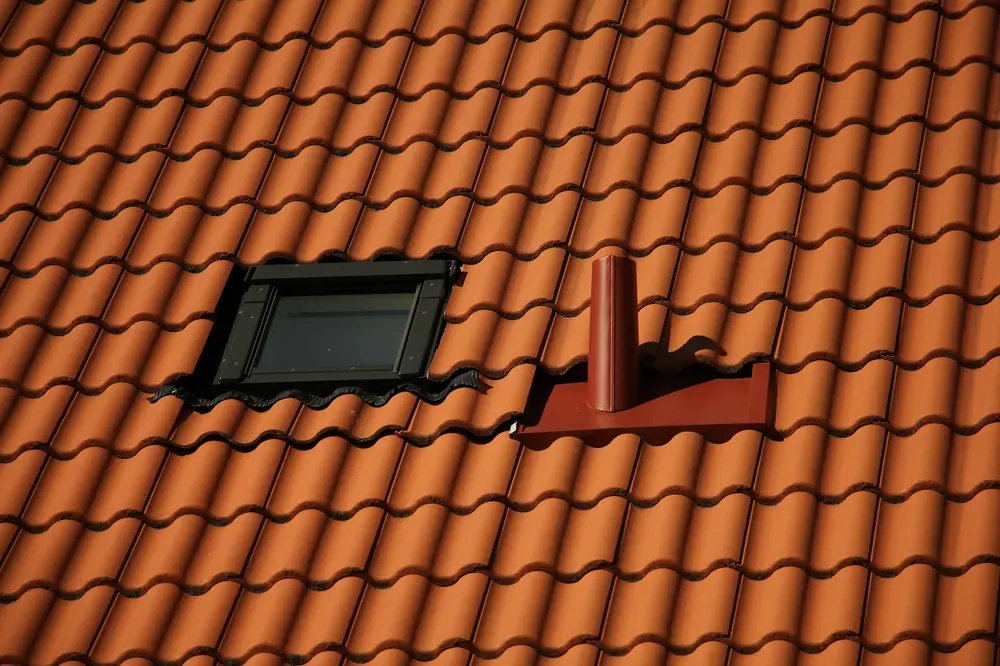
The soil stack, the vertical pipe into which every floor drains, should continue above the roof and be open at the top. Air then enters freely and water falls without pulling anything behind it. If the top is blocked — by a nest, leaves or a cap fitted during roof work — or the pipe was cut off and sealed under the roof, the water in the stack acts like a piston. It creates suction and pulls the water out of the traps on the way. First you hear gurgling, then you smell drains.
We check whether the traps lose water when someone upstairs runs water, and — where there is safe access to the loft or roof — how far the vent goes and whether it is open. The same can happen inside a flat, where a basin or shower sits on a long run far from the stack.
Where there is no vent, an air admittance valve can let air in when the pipe sucks and close to keep the smell in. It is not a full substitute for an open vent above the roof, so we check that first. The vent is shared by the whole building. If it is blocked at the top or has been cut off, it has to be sorted out through the building manager (domoupravitel) — see blocks of flats.
How we find the cause
We work from the simplest to the most complex, so you do not pay for steps you do not need. Repair starts only when we know the cause.
- A conversation first. We ask where and when it smells. Sometimes the cause is a dry trap and no visit is needed; we tell you what to do yourself.
- Water seals. On site we pour water into every trap and look at the floor drains, the toilet, the washing machine and the dishwasher. We are looking for a trap that does not hold water or has no seal.
- Joints and inspection covers. The pan connector under the toilet, inspection covers, hoses and visible joints. A loose nut or missing seal is sometimes the whole cause.
- Camera in the pipe. If the smell comes from a wall or floor, a CCTV drain survey shows a crack, a displaced joint, sediment or a section that falls the wrong way.
- The vent. When the traps empty themselves, we check the stack vent: whether there is one, how far it goes and whether it is open.
- Report, then the fix. We tell you what we found and email you the photos. Then we clean or unblock, or the plumber does the repair: a trap cleaned or replaced, a new collar, a new seal or a replaced section of pipe.
If the camera shows fat and sediment along the whole run to the street, the trap is not the problem and the main drain needs unblocking, otherwise the smell will come back. When you call or write, we tell you when we can come — in Varna, Golden Sands, St. Constantine and Helena, Balchik, Kavarna, Byala and Obzor.
A smell in a flat that stands empty, or for guests
A familiar situation for owners abroad: a guest or the cleaner opens the door and the bathroom smells of drains. After a long absence the seal in the floor drain or the shower has often simply dried out. Ask your cleaner or the guest to pour a jug of water into every drain, including the second bathroom and the cellar, and to let you know the next day. In a flat that stands empty, have someone run water through each trap every few weeks.
If the stairwell or several flats smell, the cause is usually in the shared drains — tell the building manager, who can give us access to the cellar, loft and roof. You get a short written report to show the neighbours.
If the smell stays, you do not need to be there. Send us the address, where and when it smells, and the name and phone number of whoever can open the door. We arrange the visit with them, email you a short report of what we found, with photos, and you can pay by bank transfer. For a flat that is empty for months, a property check is worth considering. All other types are on our blocked drains page.
Frequently asked questions
How much does it cost to find a drain smell?
Cleaning a trap starts from €29, and a CCTV drain camera inspection from €59. If the cause is in the pipe, unblocking a drain pipe is from €49. The price depends on how many points need checking, whether the camera is needed and how easy access is. We tell you the price before we come, once you have described the problem; a repair such as a new pan connector is agreed separately. You pay after the job. All prices are on our price list.
Do you do a smoke test?
Not at the moment. Checking the traps, the camera and the stack vent find the source in most cases. If the cause is somewhere we cannot see, we tell you what we suggest next and what it costs before going on.
Can I just pour bleach or an air freshener down the drain?
It rarely stops the smell for long: if the seal is being sucked out or the pipe is cracked, a fragrance only covers it up. Never mix bleach with acidic or ammonia-based cleaners — together they give off dangerous gases. If it smells of gas rather than drains, do not switch anything on or off, open the windows, leave and call 112 from outside.
I'm not in Bulgaria. Can you still deal with it?
Yes. Send us the address, where and when it smells, and the name and number of whoever can let us in. We arrange the visit with them, email you what we found with photos, and you can pay by bank transfer.
Who pays — me or the building?
It depends where the cause is. A dry trap or a loose joint in your own bathroom concerns your flat. The vent on the stack is shared by the whole building, so a blocked or cut-off vent is usually a matter for the building — ask the building manager. Once we have looked, we can tell you which it is.
Can I contact you in English?
Yes — write to us in English by email at info@kanalvarna.com or through the form on this page, and we reply in English. The phone number is +359 52 993 333.
Drain smell in the flat?
Tell us where and when it smells — we tell you what to try first, the price before we start and when we can come.
📞 +359 52 993 333or email info@kanalvarna.com — write in English and we reply in English.
Send us a message
Leave your name and a phone number with the country code. Add your email if you prefer a written reply — write in English and we reply in English. We confirm the price before any work starts.